

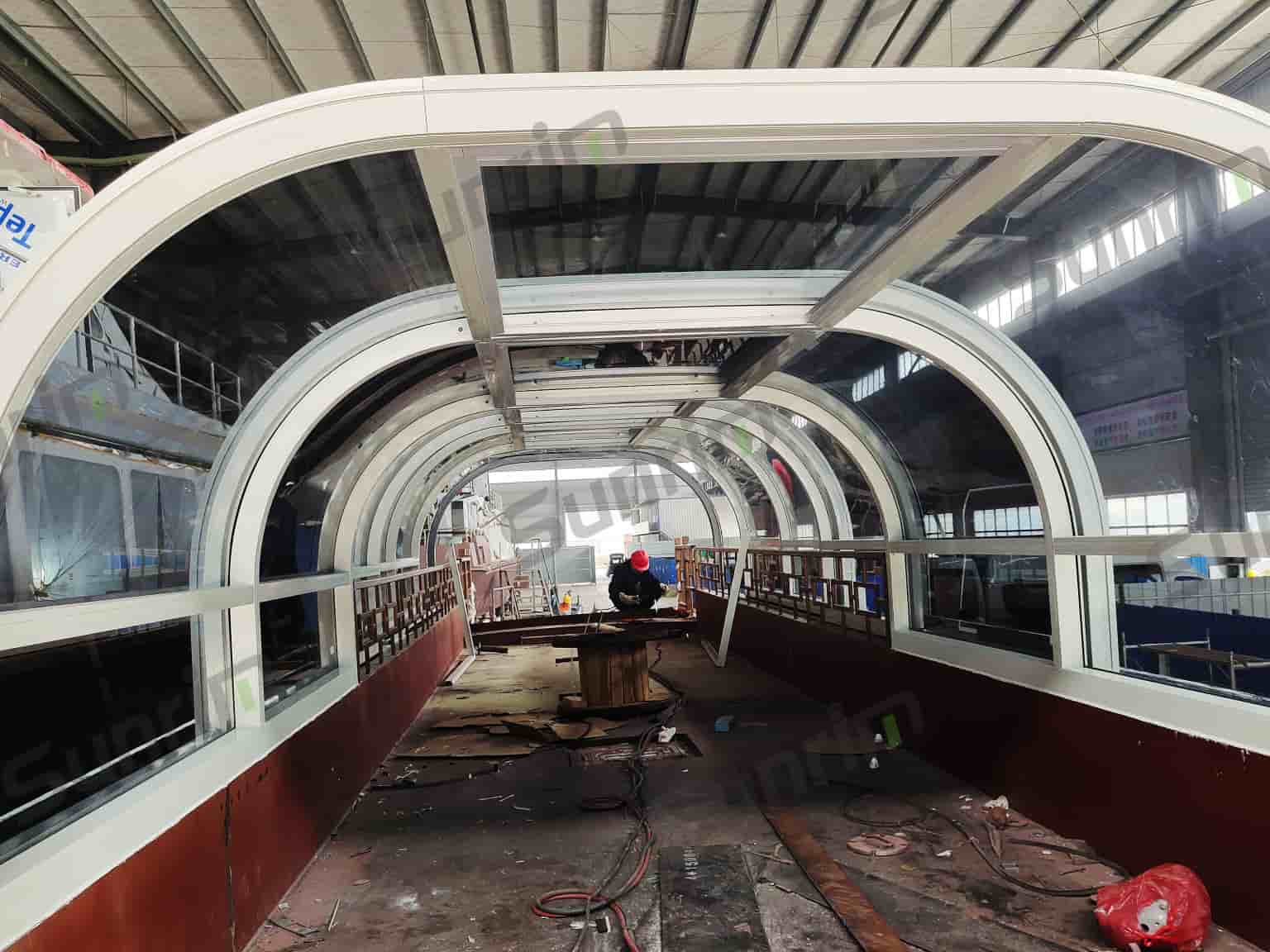
For homeowners looking to bridge the gap between their indoor sanctuary and the natural world, the sunroom has always been the premier choice. However, a significant debate has emerged in modern architecture: should you install a Fixed Sunroom (a static glass enclosure) or a Retractable Sunroom (a dynamic system where the roof and walls can slide open)?
While fixed sunrooms have been the traditional standard, the retractable sunroom is rapidly becoming the gold standard for luxury and functionality. Below, we provide a comprehensive, 1,500+ word comparison to help you decide which structure truly reigns supreme.
Quick Answer: Is a Retractable Sunroom Better Than a Fixed Sunroom?
A retractable sunroom is usually better if you want flexible indoor-outdoor living, natural ventilation, open-air comfort and seasonal adaptability. It allows the space to be enclosed during rain, wind or cold weather and opened when the weather is pleasant.
A fixed sunroom is better if you want a fully enclosed room that behaves more like a permanent indoor extension. It may be suitable for home offices, plant rooms or spaces that do not need frequent opening.
For restaurants, hotels, resorts, poolside areas and premium outdoor living spaces, a retractable sunroom often provides higher flexibility and better guest experience.
What Is a Fixed Sunroom?
A fixed sunroom is a permanent glass or transparent enclosure attached to a building or built as a standalone structure. It usually includes fixed roof panels, fixed side walls, doors and windows.
Common uses include residential glass rooms, garden rooms, enclosed patios, breakfast rooms, plant rooms and indoor leisure spaces.
A fixed sunroom provides protection from rain, wind and outdoor debris. However, because the roof and walls do not open significantly, the space may have limited natural ventilation and less outdoor flexibility.
1. Thermal Dynamics and Climate Control
Fixed Sunrooms: The Greenhouse Challenge
A fixed sunroom is essentially a glass box. While this is wonderful for capturing light, it creates a physical phenomenon known as the “greenhouse effect.” During the summer, solar radiation enters through the glass and becomes trapped. Even with high-end HVAC systems, a fixed sunroom can become an oven by mid-afternoon, making it unusable during the most beautiful months of the year. In winter, unless you invest in extremely expensive triple-paned insulated glass, the room can feel like a “cold sink,” drawing heat out of the rest of the house.
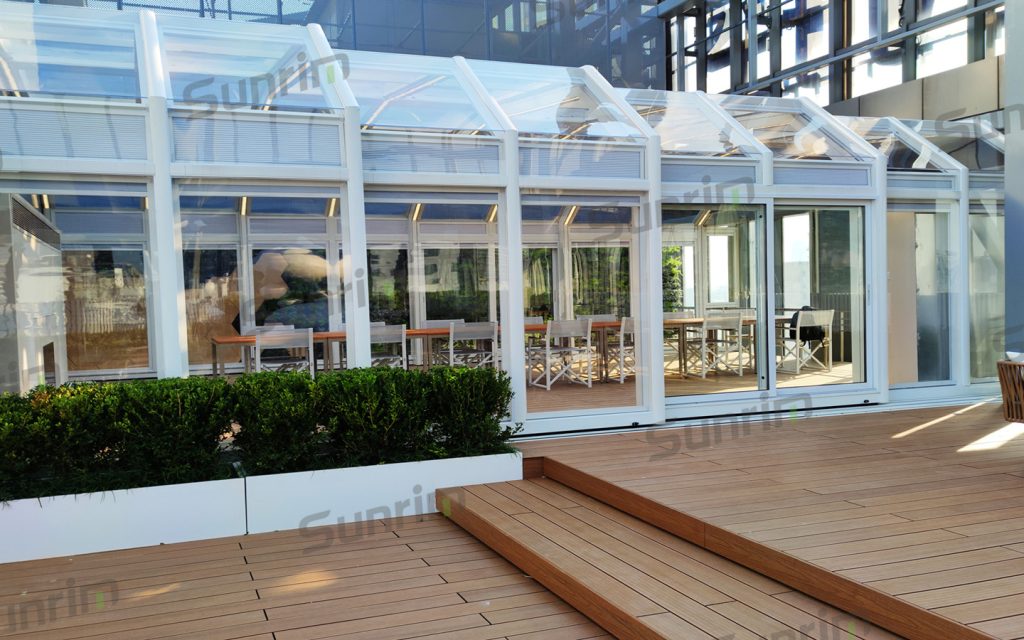
Retractable Sunrooms: The Breathable Solution
The retractable sunroom solves the thermal problem through physical adaptation.
- Instant Cooling: When the temperature rises, you don’t need to turn on the AC. You simply slide the roof panels open. Heat naturally rises; by opening the roof, you allow the hottest air to escape instantly while inviting a natural cross-breeze.
- Passive Heating: In the winter, the closed system acts exactly like a fixed sunroom, capturing solar heat to warm the space.
- The Verdict: The retractable sunroom offers superior climate management by using physics rather than electricity.
2. Indoor-Outdoor Living Experience
A fixed sunroom allows people to look at the outdoors. A retractable sunroom allows people to reconnect with the outdoors.
This difference is important for modern outdoor living design, especially for residential patios, hotel terraces, restaurant dining areas and resort leisure spaces.
Fixed Sunrooms: A Protected Viewing Space
In a fixed sunroom, the outdoor view is visible, but the space remains permanently separated from the garden, terrace or poolside area. This can be suitable for users who want a quiet indoor room with natural light.
However, a fixed sunroom may not provide the full outdoor feeling that many homeowners and hospitality projects want.
Retractable Sunrooms: A Flexible Open-Air Experience
A retractable sunroom can function as a protected glass room during rain and an open-air patio during pleasant weather. The roof or side panels can open, allowing fresh air, natural sound and direct outdoor connection.
For restaurants and hotels, this flexibility can improve guest experience. For homeowners, it creates a more enjoyable space for dining, relaxing, entertaining and connecting with the garden or pool area.
The Verdict
If your goal is a permanent indoor room, a fixed sunroom may be enough. If your goal is a flexible indoor-outdoor lifestyle, a retractable sunroom provides a more adaptable experience.
3. Maintenance, Hygiene, and Air Quality
Fixed Sunrooms: The Trap for Debris
Cleaning a fixed glass roof is a homeowner’s nightmare. Dust, pollen, bird droppings, and dead leaves accumulate on the top. Because the roof is static, you often need professional window cleaners with specialized ladders and pressure washers to maintain the “crystal clear” look. Furthermore, fixed sunrooms can suffer from “stagnant air” issues. If not ventilated properly, moisture can build up, leading to condensation and, eventually, mold or mildew in the corners.
Retractable Sunrooms: Self-Maintaining Logic
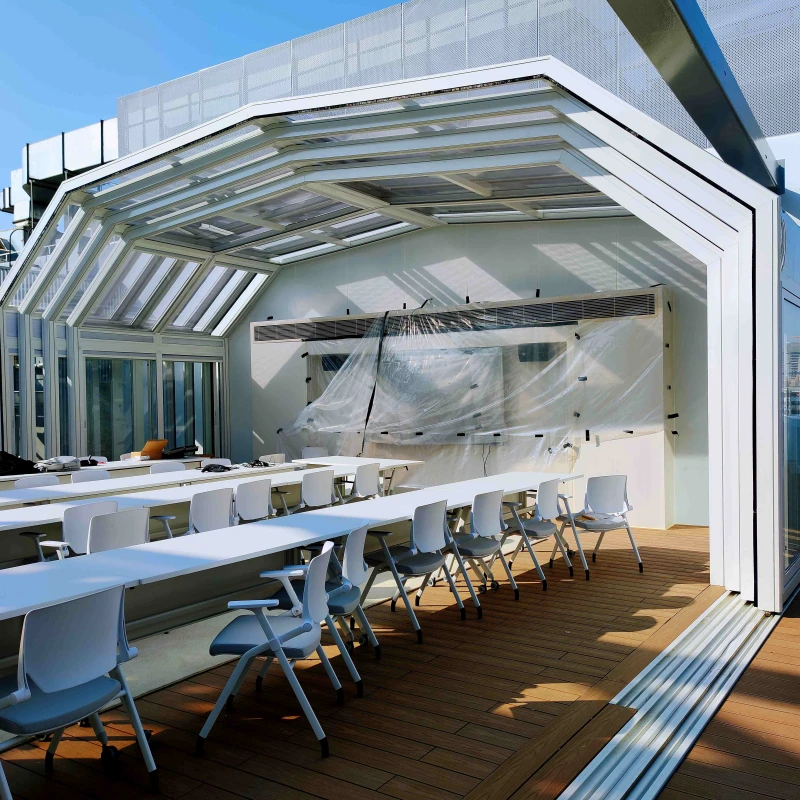
- Easy Access: Because the panels slide over one another, you can often access the exterior of the glass from a safe, interior position as the segments overlap.
- Natural Air Exchange: Since the room is frequently opened to the outside, the air stays fresh. This constant exchange prevents the “musty” smell associated with poorly ventilated glass additions.
- The Verdict: Retractable systems are easier to keep fresh and clean, preserving the aesthetic value of your investment over time.
4. Versatility and Lifestyle Flexibility
Fixed Sunrooms: A Single-Purpose Space
A fixed sunroom is an extra room. It is usually used as a home office, a breakfast nook, or a plant room. Its function is dictated by the fact that it is always indoors.
Retractable Sunrooms: The Multi-Tool of Architecture
A retractable sunroom is a multi-purpose venue.
- The Party Factor: If you are hosting a party, a fixed sunroom can feel crowded. A retractable sunroom can be opened up to merge with your backyard, creating a seamless indoor-outdoor entertainment flow.
- The Star-Gazer’s Dream: Imagine sitting in your sunroom at night with the roof retracted, looking directly at the stars without the glare or reflection of glass.
- The Verdict: Retractable systems adapt to your lifestyle; fixed systems force your lifestyle to adapt to the room.
5. Durability and Engineering Standards
Fixed Sunrooms: Heavy and Rigid
Fixed sunrooms rely on heavy tempered glass and thick aluminum or wood frames. While sturdy, they are susceptible to “settling” issues. If the house foundation shifts slightly, the rigid glass panels can crack or the seals can break, leading to persistent leaks that are difficult to fix.
Retractable Sunrooms: Engineered for Motion
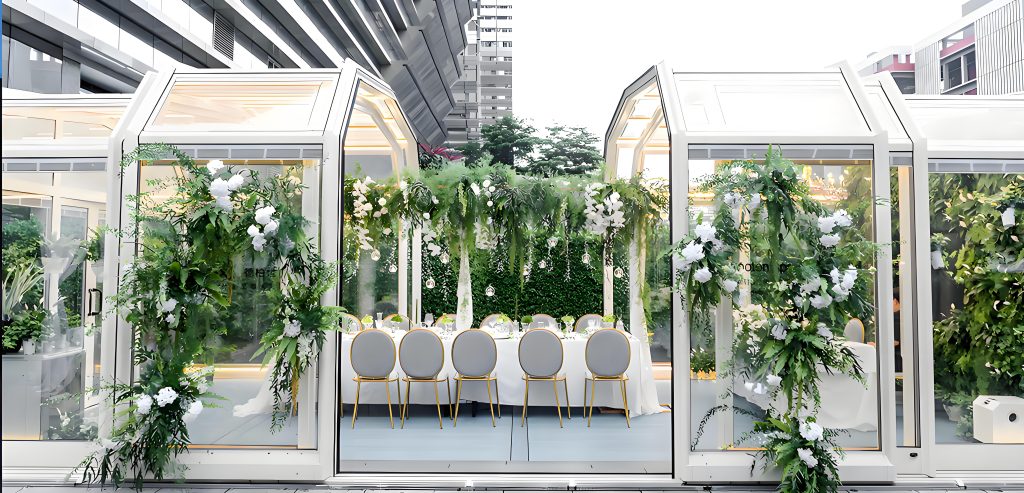
Modern retractable systems are marvels of engineering.
- High-Tech Materials: Most use high-density polycarbonate or lightweight, reinforced aluminum. Polycarbonate is virtually unbreakable (200 times stronger than glass) and provides excellent UV protection while being light enough for the motor to move easily.
- Wind and Snow Load: Because these structures are designed to move, they often have “give” built into their tracks. In extreme weather scenarios (like hurricanes), a retractable system can sometimes be more resilient because the pressure can be equalized by slightly opening the panels, whereas a fixed glass room must withstand the full force of the pressure differential.
- The Verdict: While both are durable, the retractable system uses more advanced, impact-resistant materials.
6. Property Value and Return on Investment (ROI)
Fixed Sunrooms: The Standard Addition
In real estate terms, a fixed sunroom is a standard addition. It adds square footage, but it doesn’t always add a “wow” factor. Buyers see it as just another room to heat and cool.
Retractable Sunrooms: The Luxury USP
- The “Wow” Factor: A retractable sunroom is a high-end luxury feature. When a potential buyer sees the roof slide open at the touch of a button, it immediately elevates the home into the “smart home” or “luxury estate” category.
- Permitting Advantages: In many regions, a retractable structure is classified as a “temporary” or “movable” structure rather than a permanent building addition. This can sometimes lead to lower property tax increases and a faster, simpler permitting process compared to the heavy construction required for a fixed sunroom.
- The Verdict: Retractable sunrooms offer a higher emotional ROI and a more distinct competitive edge in the housing market.
7. Comparison Summary Table
| Feature | Fixed Sunroom | Retractable Sunroom |
| Climate Control | Relies on HVAC; prone to overheating. | Natural ventilation; adaptive cooling. |
| Connection to Nature | Visual only (behind glass). | Full sensory (open-air capability). |
| Maintenance | Difficult; requires ladders/pro cleaning. | Easier; sliding panels allow access. |
| Versatility | Static; single-use indoor space. | Dynamic; converts from room to patio. |
| Durability | Heavy glass; prone to seal failure. | High-impact polycarbonate; flexible. |
| Resale Value | Moderate; seen as a standard addition. | High; seen as a luxury/modern feature. |
8. The Cost Consideration
It is important to be direct: a high-quality retractable sunroom usually requires a higher upfront investment than a basic fixed sunroom. The motorized systems, precision-engineered tracks, and specialized lightweight materials come at a premium.
However, when you factor in the long-term savings—lower cooling costs, no need for expensive interior blinds/shades, and the lack of professional cleaning fees—the price gap begins to close. More importantly, the utility you get from a retractable sunroom is nearly double that of a fixed one, as it can be used in more weather conditions and for more types of activities.
9. Which Is Better for Residential, Hotel and Commercial Projects?
The best choice depends on how the space will be used.
Residential Patios and Gardens
For residential projects, a fixed sunroom may be suitable if the homeowner wants a permanent indoor extension, such as a reading room, plant room or breakfast space.
A retractable sunroom is usually better when the homeowner wants a flexible patio, garden room, poolside lounge or entertainment area that can open during pleasant weather.
Restaurants and Hotels
For restaurants, hotels and resorts, retractable sunrooms often provide stronger business value. The space can open during good weather and close during rain, wind or cooler conditions.
This flexibility can help improve guest comfort, protect outdoor furniture, reduce weather-related disruptions and increase usable seating days.
Poolside Areas
For poolside spaces, a retractable sunroom or pool enclosure sunroom can help create a flexible indoor-outdoor swimming environment.
This is useful for private pools, hotel pools, resort pools, wellness centers and commercial leisure facilities.
Conclusion: Retractable Sunroom or Fixed Sunroom?
Both retractable sunrooms and fixed sunrooms can improve outdoor living, but they serve different needs.
A fixed sunroom is a good choice for a permanent enclosed room. It works well when the goal is to create an indoor extension with natural light.
A retractable sunroom is a better choice when flexibility, ventilation, outdoor connection and seasonal adaptability are important. It allows the space to change with the weather, making it especially useful for patios, restaurants, hotel terraces, resorts and poolside areas.
For many modern outdoor living and commercial projects, the retractable sunroom represents a more adaptable solution.
If you are planning a custom retractable sunroom, opening roof or pool enclosure sunroom project, Sunrim can help evaluate your site, climate, application and installation requirements.
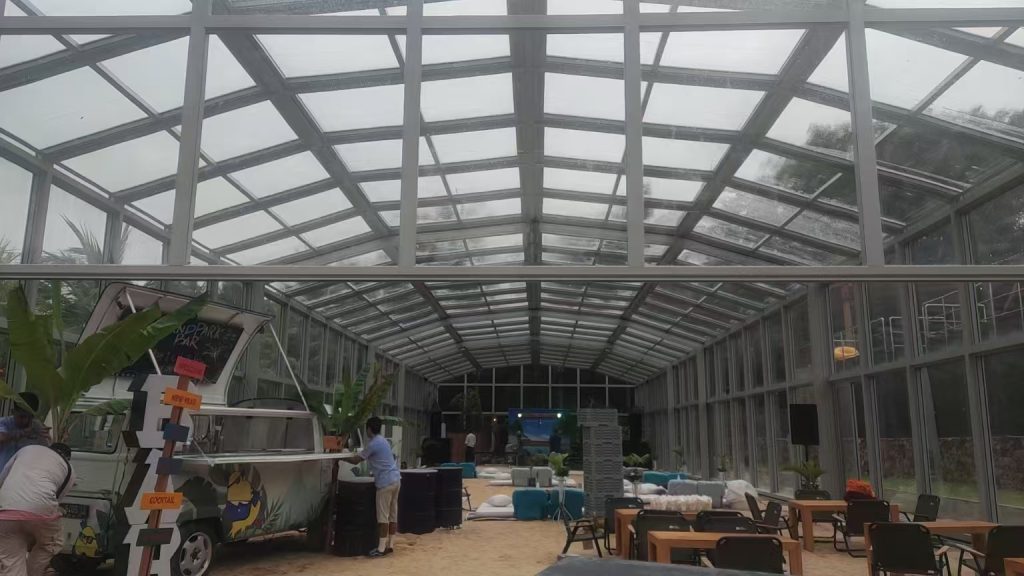
Design Tips for Your Retractable Sunroom
If you decide to move forward with a retractable system, keep these three tips in mind to maximize your investment:
- Prioritize Flooring: Since the room will be open to the air, choose flooring that is “indoor-outdoor” friendly, such as porcelain tile or treated composite decking.
- Integrate Lighting: Install LED strips along the tracks. This ensures that when the roof is retracted at night, the structure still provides a beautiful ambient glow for evening gatherings.
- Think About Drainage: Ensure your contractor installs a subtle pitch or an integrated gutter system. Even though the room is waterproof when closed, you want to ensure that rain runoff is handled efficiently when the panels are in motion.
Choosing a retractable sunroom is a commitment to a lifestyle of freedom, light, and fresh air. It is the ultimate way to ensure that your home remains a sanctuary that breathes with the seasons.
How Sunrim Supports Custom Retractable Sunroom Projects
Sunrim designs and manufactures custom retractable sunroom systems, opening roof systems, pool enclosure sunrooms and transparent aluminum enclosure structures for global projects.
Sunrim can support customers with:
- Project consultation
- Site measurement guidance
- Custom design
- Aluminum frame structure planning
- Glass or polycarbonate panel recommendations
- Opening method suggestions
- Drainage and track layout guidance
- CAD drawings
- Installation manuals
- Remote technical support
- Local contractor coordination
- Optional on-site assistance for selected projects
For homeowners, architects, contractors, hotel developers and commercial project owners, Sunrim helps create flexible outdoor spaces that match local climate, building conditions and long-term use requirements.
Need Help Choosing the Right Sunroom System?
Sunrim provides custom retractable sunroom systems, fixed and movable enclosure solutions, opening roof systems and pool enclosure sunrooms for residential, hospitality and commercial projects worldwide.
Send us your project location, site photos, dimensions, climate conditions and usage requirements. Our team can help recommend a suitable outdoor enclosure solution for your space.
Contact Sunrim to discuss your custom retractable sunroom project.
FAQ About Retractable Sunrooms vs Fixed Sunrooms
What is the main difference between a retractable sunroom and a fixed sunroom?
The main difference is flexibility. A fixed sunroom is a permanent enclosed structure, while a retractable sunroom can open and close to create either an enclosed space or an open-air outdoor area.
Is a retractable sunroom better than a fixed sunroom?
A retractable sunroom is usually better if you want natural ventilation, flexible outdoor living and seasonal adaptability. A fixed sunroom may be better if you want a permanent indoor room with fewer moving parts.
Are retractable sunrooms more expensive than fixed sunrooms?
Yes, retractable sunrooms usually have a higher initial cost because they include sliding sections, tracks, rollers, optional motorized systems and more customized engineering. However, they may provide higher long-term value for outdoor living and commercial spaces.
Do retractable sunrooms provide weather protection?
Yes. When closed, a retractable sunroom can provide protection from rain, wind, debris and sunlight. The exact performance depends on structure design, materials, sealing and installation quality.
Are fixed sunrooms hot in summer?
Fixed sunrooms can become hot in summer if they do not have proper ventilation, shading or climate control. A retractable sunroom can help release hot air by opening the roof or side panels.
Which sunroom is better for restaurants and hotels?
For restaurants, hotels and resorts, retractable sunrooms are often better because they allow outdoor spaces to open during good weather and close during rain, wind or cooler conditions.
Which sunroom is better for residential patios?
For residential patios, a retractable sunroom is suitable if the homeowner wants flexible indoor-outdoor living. A fixed sunroom is suitable if the goal is a permanent glass room or home extension.
Can a retractable sunroom be used around a pool?
Yes. Retractable sunrooms and pool enclosure sunrooms can be used around residential, hotel, resort or commercial pool areas to create flexible indoor-outdoor swimming spaces.
Does Sunrim customize retractable sunrooms?
Yes. Sunrim designs and manufactures custom retractable sunroom systems based on project location, dimensions, climate, materials, opening style and installation requirements.
Does Sunrim support overseas installation?
Yes. Sunrim supports global projects with measurement guidance, CAD drawings, installation manuals, remote technical communication and local contractor coordination. For selected complex projects, on-site support may also be discussed.


