

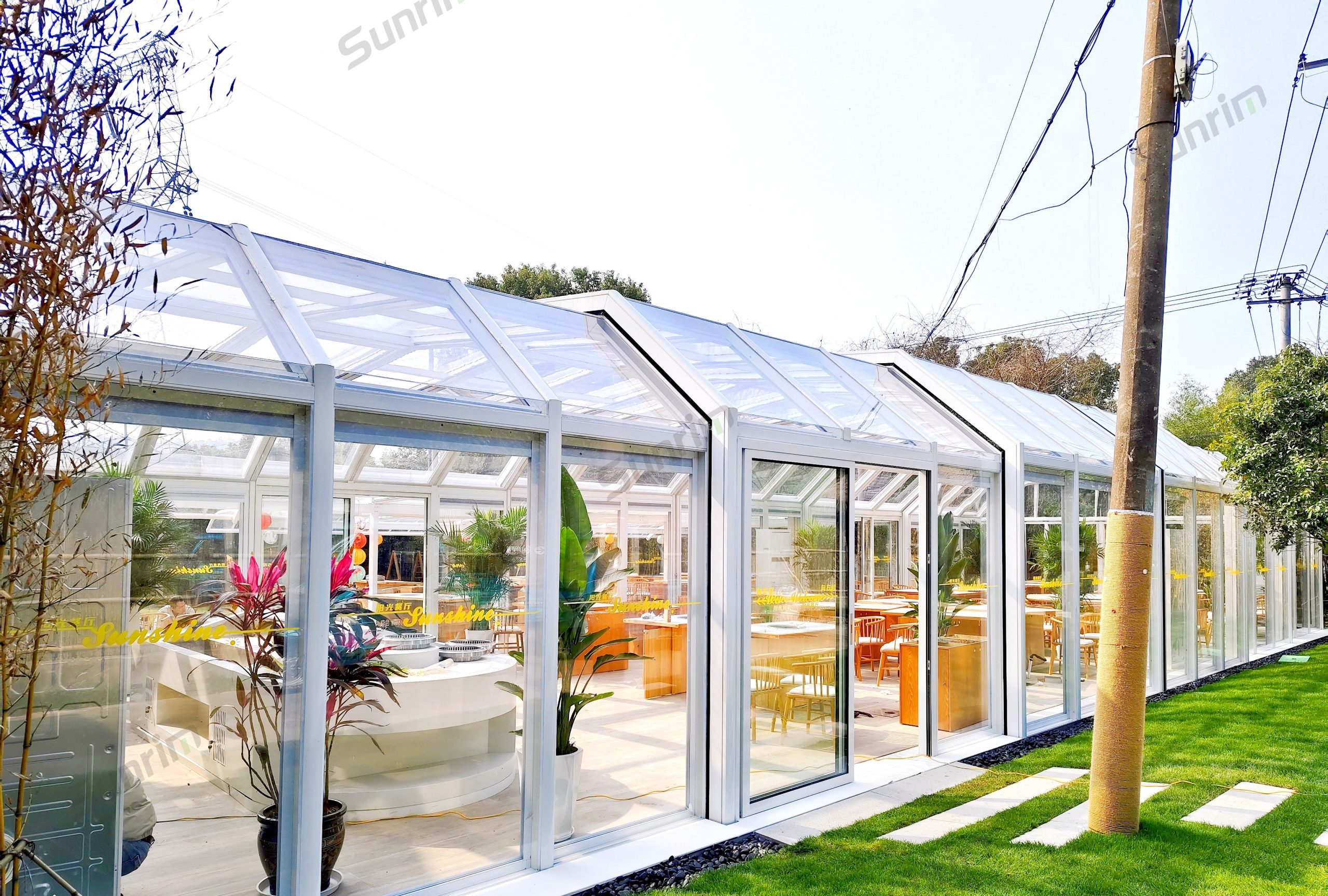
As outdoor living spaces continue to evolve, retractable architectural systems have become one of the fastest-growing segments in modern construction and outdoor design.
Products such as retractable sunrooms, pool enclosures, patio enclosures, and retractable roofs allow residential and commercial properties to transform open outdoor areas into flexible, weather‑protected spaces.
From luxury homes to hotels, restaurants, and resorts, these systems are increasingly used to extend seasonal usability and enhance outdoor experiences.
According to multiple industry reports and construction market forecasts, the global retractable enclosure market is expected to grow steadily over the next decade, driven by demand for flexible outdoor spaces, energy-efficient structures, and smart automation technologies.
This article explores the global market trends, growth drivers, industry segmentation, and future opportunities shaping the retractable enclosure industry.
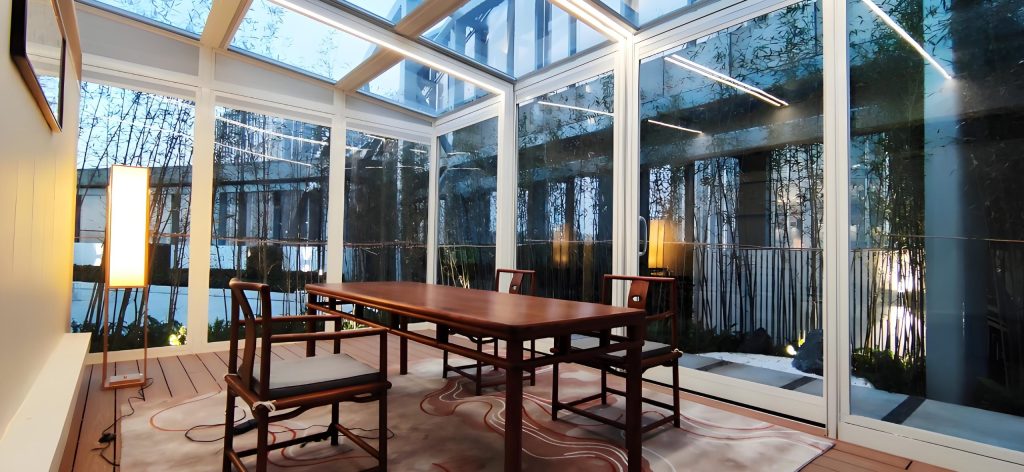
1. Global Market Overview
The global market for retractable outdoor structures—including sunrooms, pool enclosures, and retractable roofs—has expanded significantly in recent years.
Estimated market size:
- 2024: approximately USD 1.2 billion
- 2033 projection: approximately USD 2.4 billion
- Compound annual growth rate (CAGR): around 8%
This growth reflects a broader shift in architecture toward adaptive outdoor spaces, where buildings can respond to changing weather conditions and seasonal usage.
Retractable structures provide a balance between:
- open-air environments
- enclosed comfort
- energy efficiency
- architectural aesthetics
As urban density increases and outdoor leisure becomes more valuable, these systems are increasingly integrated into both residential and commercial design.
2. Key Growth Drivers in the Retractable Structure Market
Several global trends are driving the expansion of retractable enclosure systems.
The Rise of Outdoor Living
Homeowners are investing more in outdoor living environments such as:
- backyard entertainment areas
- poolside relaxation zones
- rooftop terraces
- garden dining spaces
Retractable sunrooms and patio enclosures allow these spaces to remain usable in different weather conditions.
Growth of the Hospitality Industry
Hotels, resorts, and restaurants increasingly adopt retractable structures to create flexible dining and leisure spaces.
Examples include:
- retractable roof restaurant terraces
- pool enclosures in resorts
- retractable sunrooms for hotel lounges
These systems allow businesses to increase usable seating capacity throughout the year.
Energy Efficiency and Climate Control
Modern retractable enclosures use materials such as:
- multiwall polycarbonate
- insulated glazing
- thermally broken aluminum frames
These materials improve thermal performance while maintaining natural daylight, helping reduce heating and cooling requirements.
Smart Automation and Technology
Automation is becoming an important feature in the industry.
Many modern retractable systems now include:
- remote control operation
- smart app integration
- automated climate sensors
- motorized telescopic structures
These technologies improve convenience and enable large-scale commercial installations.
3. Market Segmentation
The retractable enclosure industry can be segmented into several categories based on product type, materials, and applications.
By Product Type
Retractable Sunrooms
Retractable sunrooms are fully enclosed structures with sliding or telescopic roof systems.
They are commonly used for:
- residential outdoor living areas
- restaurant terraces
- hotel lounges
Learn more about retractable sunroom systems:
https://retractablesunroom.com/
Pool Enclosures
Pool enclosures protect swimming pools from weather, debris, and heat loss while extending the swimming season.
They are widely used in:
- residential homes
- resorts
- wellness centers
See our guide on pool enclosure costs and design factors:
https://retractablesunroom.com/pool-enclosure-cost/
Patio Enclosures
Patio enclosures convert outdoor patios into sheltered living spaces.
They are popular in:
- backyard relaxation areas
- garden seating spaces
- restaurant terraces
Retractable Roof Systems
Retractable roofs provide flexible overhead protection for larger architectural spaces such as:
- stadium seating areas
- commercial terraces
- hospitality venues
4. Materials and Structural Technologies
The performance and durability of retractable enclosures depend largely on structural materials.
Common materials include:
Structural Frames
Most modern systems use powder‑coated aluminum structures because of their:
- corrosion resistance
- structural strength
- lightweight properties
Glazing Materials
Several glazing materials are used depending on project requirements.
Polycarbonate Panels
- lightweight
- impact resistant
- strong thermal insulation
Tempered or Laminated Glass
- high transparency
- premium architectural appearance
- commonly used in luxury projects
5. Regional Market Analysis
The adoption of retractable outdoor structures varies significantly across different regions.
North America
North America remains one of the most mature markets due to:
- strong backyard culture
- large residential properties
- demand for pool enclosures and sunrooms
Many homeowners install retractable structures to extend seasonal usability.
Europe
Europe has a long history of retractable roof architecture.
Countries such as:
- Germany
- France
- Netherlands
have well-developed markets for:
- retractable patio covers
- sunroom structures
- terrace enclosures
Asia-Pacific
The Asia-Pacific region is currently the fastest-growing market.
Rapid urban development and the expansion of the hospitality industry are driving demand for:
- retractable restaurant terraces
- rooftop sunrooms
- commercial outdoor enclosures
6. Future Technology Trends
Several innovations are expected to influence the industry in the coming decade.
Emerging technologies include:
- solar-powered retractable systems
- smart climate-responsive roofs
- automated wind and rain sensors
- advanced thermal glazing materials
These developments will further enhance the usability and efficiency of retractable outdoor spaces.
7. Market Outlook: 2025–2033
The retractable enclosure industry is expected to continue expanding as architects and developers seek more flexible building solutions.
Future demand will likely be driven by:
- luxury residential outdoor living
- hospitality and resort development
- energy-efficient architectural solutions
- urban rooftop leisure spaces
As technology advances and installation costs gradually decrease, retractable systems are expected to become a standard feature in modern outdoor architecture.
Conclusion
Retractable sunrooms, pool enclosures, patio enclosures, and retractable roof systems represent a growing segment of the global architectural market.
By combining flexibility, weather protection, and modern design, these systems allow property owners to maximize the usability of outdoor spaces.
As demand for adaptable environments continues to rise, retractable enclosure technologies will likely play an increasingly important role in both residential and commercial construction worldwide.

