



Guia de Manutenção de Varandas Retráteis (2026)
Índice
- Resposta rápida: Como fazer a manutenção de uma varanda retrátil?
- Por que a manutenção é importante para sistemas retráteis de varandas envidraçadas
- Quais partes de uma varanda retrátil precisam de manutenção?
- 1. Limpe os painéis do telhado regularmente
- 2. Mantenha os trilhos deslizantes limpos
- 3. Inspecionar os roletes e as seções móveis
- 4. Verifique as calhas e as saídas de drenagem
- 5. Inspecione as vedações de borracha e as fitas de vedação
- 6. Teste do funcionamento motorizado
- 7. Verifique os fixadores, as âncoras e as conexões da estrutura
- 8. Manutenção de painéis laterais, portas e gabinetes
- Lista de verificação para manutenção sazonal
- Frequência de manutenção para projetos comerciais
- Dicas de manutenção para diferentes climas
- Erros comuns de manutenção que devem ser evitados
- Perguntas frequentes (FAQ)
Escrito pela Equipe Técnica da Sunrim · Revisado por Isabelle, Engenharia de Produto · Última atualização: julho de 2026
Uma varanda retrátil foi projetada para criar um espaço flexível entre o interior e o exterior para restaurantes, hotéis, resorts, coberturas de piscina, terraços comerciais e pátios residenciais de alto padrão. Com caixilhos de alumínio, painéis de teto transparentes, trilhos deslizantes e sistemas motorizados opcionais, ela pode ser aberta e fechada de acordo com as condições climáticas e as necessidades de uso.
Mas, assim como qualquer estrutura arquitetônica móvel, uma varanda retrátil precisa de manutenção adequada para continuar funcionando perfeitamente ao longo do tempo.
A limpeza regular, a inspeção do sistema de drenagem, os cuidados com os trilhos, as verificações dos componentes e a manutenção sazonal podem ajudar a melhorar o desempenho do sistema, reduzir o desgaste e prolongar a vida útil da estrutura.
Este guia explica como fazer a manutenção de uma varanda retrátil ou de um sistema de teto retrátil, quais peças devem ser verificadas regularmente e como os proprietários de projetos comerciais podem planejar a manutenção de longo prazo de maneira mais eficaz.
Resposta rápida: Como fazer a manutenção de uma varanda retrátil?
Para manter uma varanda retrátil, limpe regularmente os painéis do telhado, remova detritos dos trilhos deslizantes, verifique os canais de drenagem, inspecione as vedações e os fixadores, teste o funcionamento motorizado e programe inspeções sazonais antes de chuvas fortes, neve ou picos de uso comercial.
Em espaços comerciais, como restaurantes, hotéis e resorts, a manutenção deve ser mais frequente, pois o sistema é utilizado com maior frequência e afeta diretamente o conforto dos hóspedes e o funcionamento do negócio.
Uma rotina básica de manutenção de uma varanda retrátil deve incluir:
- Limpeza de painéis de vidro ou policarbonato
- Remoção de folhas, poeira e detritos dos trilhos
- Verificação das calhas e das saídas de drenagem
- Inspeção das vedações de borracha e das fitas de vedação
- Teste do movimento de abertura e fechamento
- Verificação de parafusos, buchas e peças de fixação visíveis
- Inspeção de componentes motorizados
- Análise da exposição às intempéries após tempestades
- Agendar uma inspeção profissional quando necessário
Por que a manutenção é importante para sistemas retráteis de varandas envidraçadas
Uma varanda retrátil difere de uma varanda fixa de vidro ou de uma simples cobertura de pátio, pois possui peças móveis. Trilhos deslizantes, roletes, motores, vedações e sistemas de drenagem precisam permanecer limpos e corretamente alinhados.
Sem manutenção regular, podem surgir problemas com o tempo, tais como:
- Dificuldade para deslizar ou movimento irregular
- Vazamentos de água em torno de juntas ou calhas
- Canais de drenagem entupidos
- Acúmulo de sujeira nos painéis transparentes
- Aumento da carga do motor
- Parafusos soltos
- Vedações de borracha desgastadas
- Ruído durante o funcionamento
- Aparência inadequada em espaços comerciais
Em projetos do setor de hospitalidade e do setor comercial, a manutenção é especialmente importante, pois a varanda envidraçada faz parte da experiência do cliente. Uma estrutura limpa, em bom estado e confiável pode ajudar restaurantes, hotéis e resorts a manter uma aparência profissional e reduzir interrupções operacionais.
Quais partes de uma varanda retrátil precisam de manutenção?
Um sistema de varanda retrátil pode incluir vários componentes essenciais. Cada peça requer cuidados de manutenção específicos.
As peças comuns incluem:
- Estrutura com armação de alumínio
- Painéis de teto de vidro ou policarbonato
- Trilhos deslizantes
- Rolos e seções móveis
- Sistema de acionamento motorizado
- Vedações de borracha e fitas de vedação
- Calhas e saídas de drenagem
- Fixadores e buchas
- Painéis laterais ou portas deslizantes
- Sistema de controle e controles remotos
Compreender essas peças facilita a manutenção e ajuda os prestadores de serviços locais ou os gerentes de instalações a inspecionar o sistema de forma mais eficaz.
1. Limpe os painéis do telhado regularmente
Os painéis do telhado são uma das partes mais visíveis de uma varanda retrátil. Eles também são os que ficam mais expostos à chuva, poeira, folhas, fezes de pássaros, pólen, ar salino e raios ultravioleta do sol.
Entre os materiais mais comuns para painéis de telhado estão o vidro e o policarbonato.
Limpeza de painéis de teto de vidro
Os painéis de vidro conferem um aspecto sofisticado e proporcionam uma visão desobstruída, mas devem ser limpos regularmente para manter a transparência.
Dicas de limpeza recomendadas:
- Use água limpa e detergente neutro suave
- Use um pano macio, uma esponja ou um rodo de borracha
- Evite esponjas abrasivas ou produtos químicos agressivos
- Enxágue bem após a limpeza
- Limpe de manhã cedo ou no final da tarde para evitar a luz solar direta intensa
- Não pise diretamente sobre painéis de vidro, a menos que a estrutura tenha sido projetada para permitir o acesso para manutenção
Em terraços de hotéis, restaurantes e projetos em áreas panorâmicas, os painéis de vidro limpos também melhoram a experiência visual dos hóspedes.
Limpeza de painéis de telhado de policarbonato
Os painéis de policarbonato são leves e resistentes a impactos, mas sua superfície pode ser arranhada se forem limpos com utensílios ásperos.
Dicas de limpeza recomendadas:
- Use água e sabão neutro
- Use um pano macio ou uma esponja
- Evite limpar a poeira da superfície com um pano seco
- Evite solventes fortes, produtos de limpeza à base de álcool ou escovas abrasivas
- Enxágue com água limpa
- Verifique o lado protegido contra raios UV para ver se há instruções de manutenção
Os painéis de policarbonato são frequentemente utilizados em coberturas para piscinas, terraços comerciais e projetos de varandas retráteis leves.
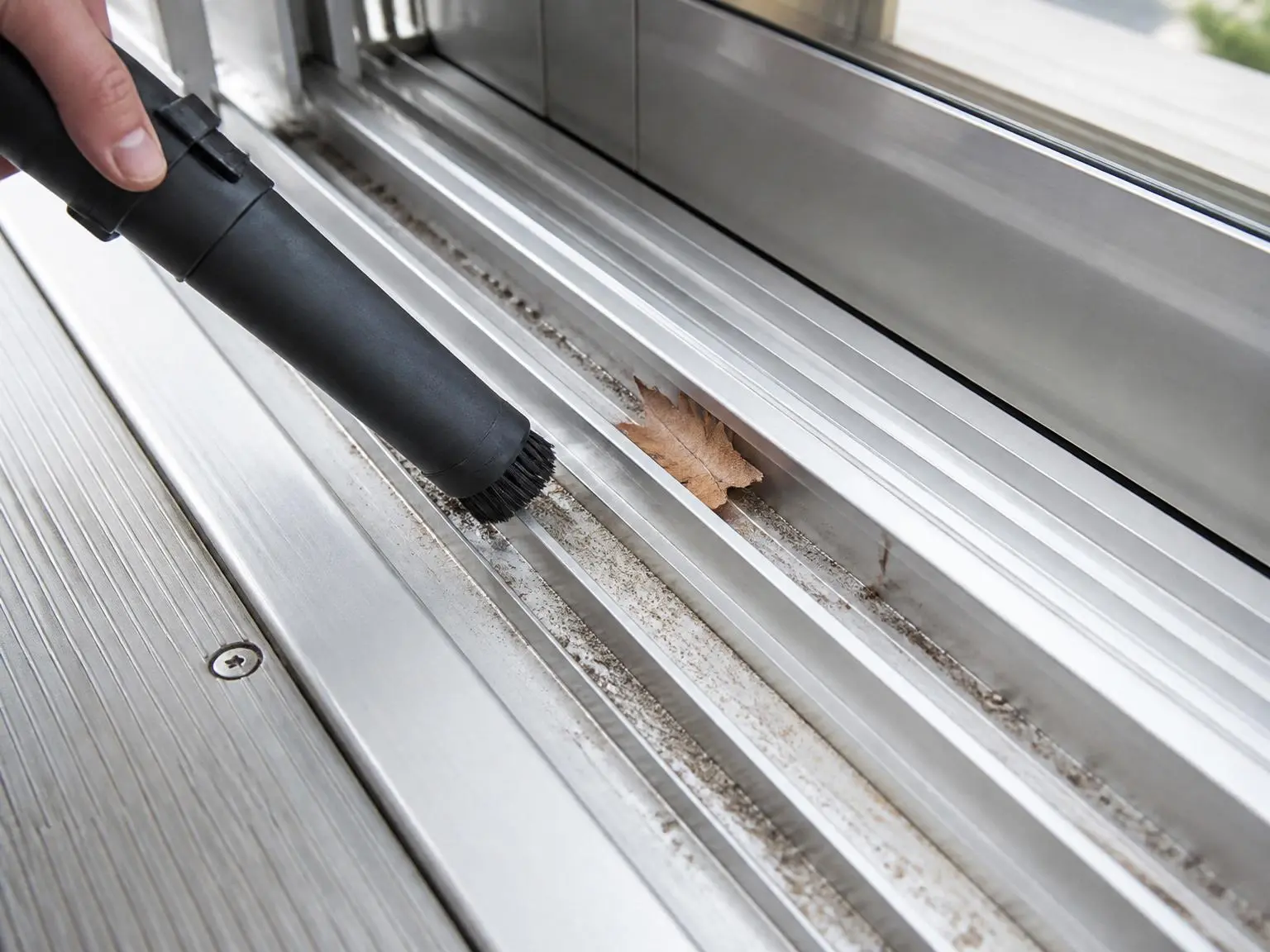
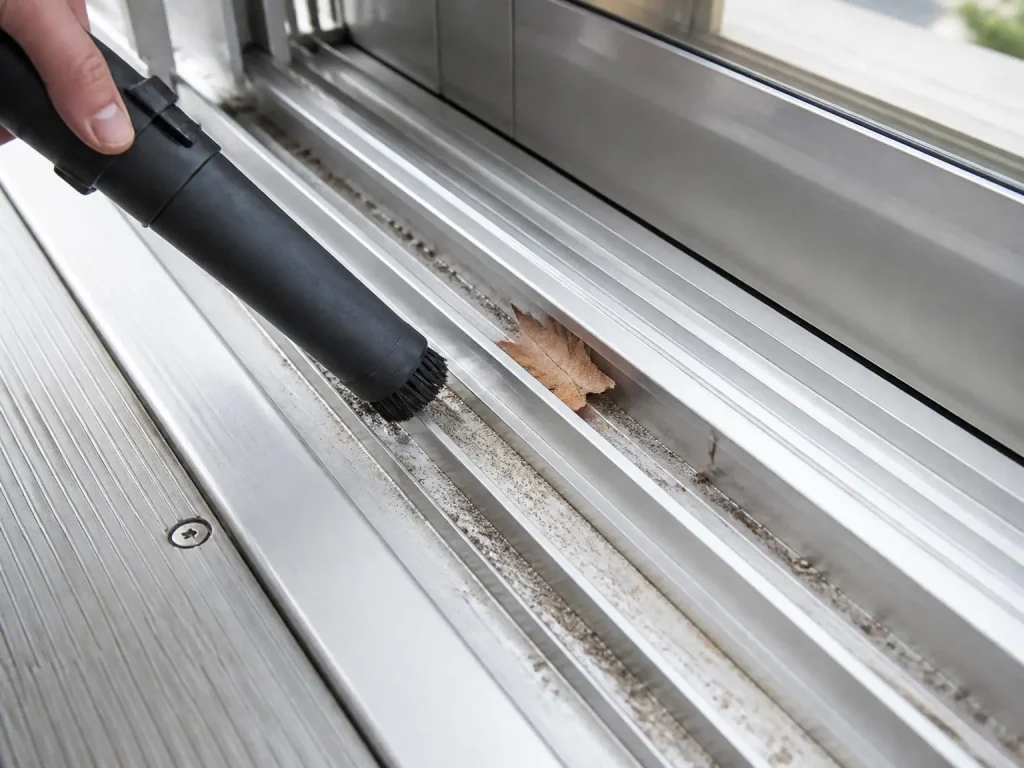
2. Mantenha os trilhos deslizantes limpos
Os trilhos de deslizamento são essenciais para um movimento suave. Poeira, areia, folhas, pedrinhas ou detritos de construção podem afetar a abertura e o fechamento do sistema.
A manutenção dos trilhos deve incluir:
- Remoção de folhas e sujeira da pista
- Aspirar poeira ou areia
- Verificar se há pedrinhas ou detritos duros
- Inspeção do alinhamento dos trilhos
- Manter abertos os pontos de drenagem na pista
- Evitar impactos fortes nos trilhos
- Verificação de ruídos anormais durante a operação
No caso de restaurantes ao ar livre, terraços à beira-mar ou regiões empoeiradas, a limpeza dos trilhos deve, em geral, ser feita a cada 1–2 semanas em vez de mensalmente.
Se a porta da varanda de vidro começar a apresentar dificuldade para deslizar, não force o sistema. Interrompa a operação e verifique se o trilho está bloqueado ou desalinhado.
3. Inspecionar os roletes e as seções móveis
As varandas retráteis utilizam roletes, rodas ou mecanismos deslizantes para se moverem suavemente. Essas peças devem ser verificadas regularmente quanto a desgaste, sujeira ou desalinhamento.
Os pontos de inspeção incluem:
- Movimento suave de cada seção
- Ruído incomum
- Desgaste visível nos roletes
- Peças soltas e móveis
- Obstruções no percurso de deslizamento
- Movimento irregular entre as seções
- Resistência durante a abertura ou o fechamento
Em projetos comerciais com operação diária, os roletes e as peças móveis podem precisar de inspeções mais frequentes do que nos sistemas residenciais.
Se uma seção não estiver se movendo suavemente, é melhor identificar a causa logo no início, em vez de continuar operando o sistema sob sobrecarga.
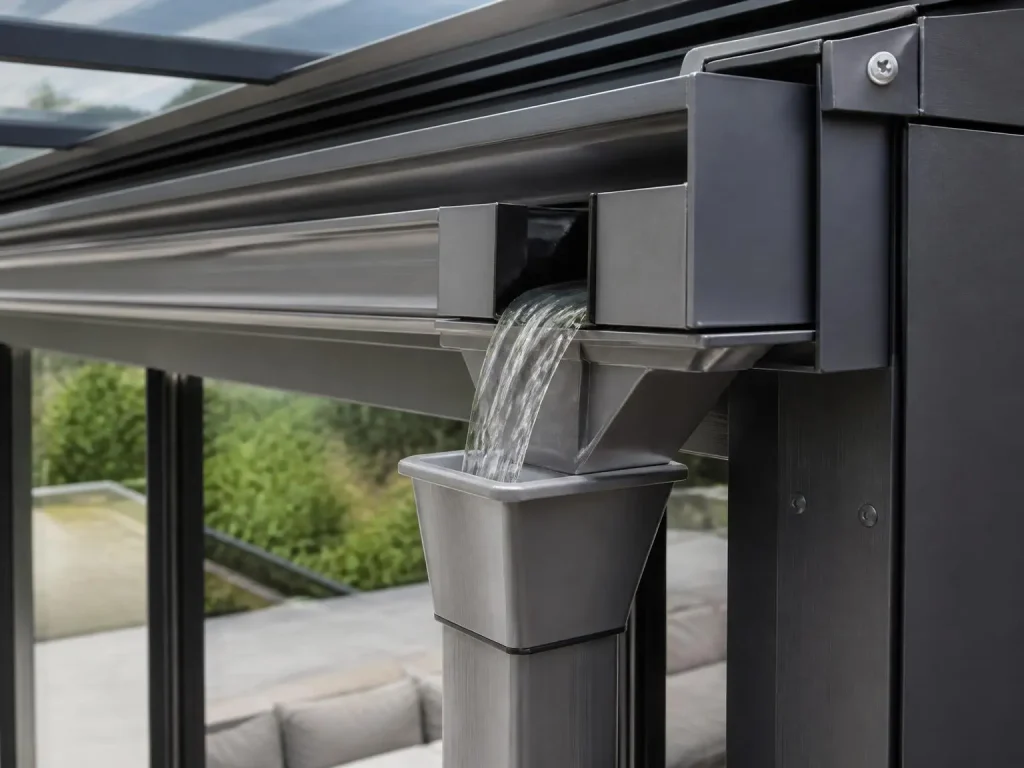
4. Verifique as calhas e as saídas de drenagem
A manutenção do sistema de drenagem é um dos aspectos mais importantes dos cuidados com uma varanda retrátil.
Muitos problemas de vazamento de água são causados por calhas ou saídas de drenagem entupidas, e não por falhas no produto.
As verificações regulares do sistema de drenagem devem incluir:
- Remoção de folhas das calhas
- Verificação dos orifícios de drenagem
- Limpeza de calhas ou tubos de escoamento
- Garantir que a água escorra para longe das portas e paredes
- Inspeção de cantos e juntas após chuvas fortes
- Verificar se a drenagem da pista está desobstruída
- Procurando sinais de água estagnada
Em regiões com chuvas intensas, como Cingapura, Malásia, Tailândia, Flórida ou a região costeira da Austrália, deve-se realizar uma inspeção do sistema de drenagem antes e durante toda a estação chuvosa, e não apenas uma vez.
Em restaurantes e hotéis, os problemas de drenagem devem ser resolvidos rapidamente, pois o acúmulo de água pode afetar os hóspedes, o piso e os móveis.
5. Inspecione as vedações de borracha e as fitas de vedação
As vedações de borracha ajudam a reduzir a entrada de água, as folgas de ar e o ruído. Com o tempo, as vedações podem ficar sujas, comprimidas, soltas ou desgastadas devido à luz solar e às variações de temperatura.
A inspeção das vedações deve incluir:
- Verificação de rachaduras ou endurecimento
- Procurando por tiras soltas ou desprendidas
- Limpeza da poeira das superfícies de vedação
- Verificação da compressão nos pontos de fechamento
- Inspeção das juntas após chuvas fortes
- Substituir as vedações danificadas quando necessário
Na maioria dos climas, as vedações de borracha de qualidade duram 5 a 10 anos antes de apresentar endurecimento significativo, embora ambientes com alta exposição aos raios UV ou na costa possam reduzir esse intervalo. Não utilize produtos químicos agressivos nas vedações de borracha — água e sabão neutro geralmente são suficientes para a limpeza.
6. Teste do funcionamento motorizado
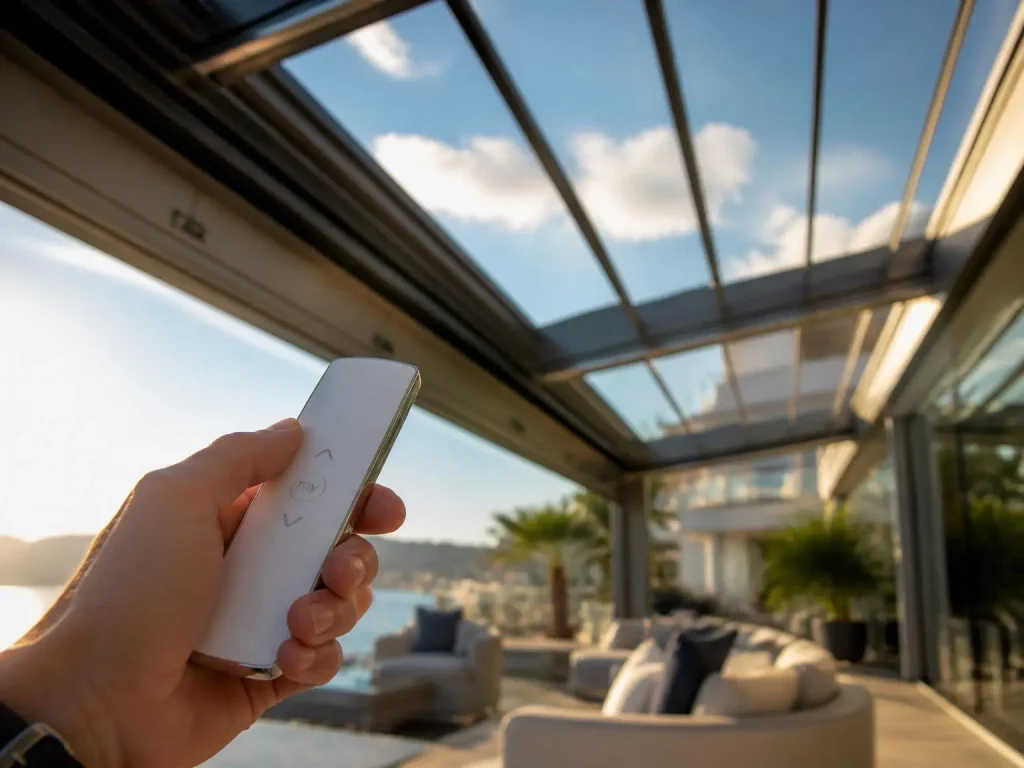
Se a sua varanda retrátil ou o seu sistema de teto retrátil utilizar controle motorizado, o motor e o sistema de controle devem ser testados regularmente.
As verificações do sistema motorizado podem incluir:
- Abrir e fechar completamente o sistema
- Verificar se há ruídos anormais do motor
- Verificação da resposta do controle remoto
- Verificação do funcionamento do interruptor de parede
- Inspeção de cabos e conexões visíveis
- Garantir que o sistema seja desligado corretamente
- Evitar a operação em condições de vento extremo ou em situações de risco
- Verificar se os sensores funcionam, caso estejam instalados
Se o motor parecer estar sobrecarregado ou se o sistema se mover de forma irregular, interrompa a operação e inspecione os trilhos, as seções móveis e a fonte de alimentação.
Em espaços comerciais, os funcionários devem receber treinamento sobre o funcionamento adequado dos equipamentos para evitar o uso indevido.
7. Verifique os fixadores, as âncoras e as conexões da estrutura
A estrutura da armação de alumínio deve permanecer estável e devidamente fixada à fundação ou ao edifício existente.
A inspeção visual deve incluir:
- Parafusos ou porcas soltos
- Movimento nos pontos de conexão
- Deformação da estrutura
- Espaços entre a moldura e a parede
- Corrosão ao redor das peças metálicas
- Danos causados por tempestades ou impactos
- Alterações no nível do piso ou da fundação
Para grandes varandas envidraçadas comerciais, projetos em telhados ou locais com ventos fortes, recomenda-se a inspeção periódica por um empreiteiro ou engenheiro local pelo menos uma vez por ano.
Não ignore movimentos ou folgas anormais na estrutura. Uma inspeção precoce pode evitar problemas maiores.
8. Manutenção de painéis laterais, portas e gabinetes
Alguns sistemas retráteis para varandas envidraçadas incluem painéis laterais de vidro, portas deslizantes ou telas transparentes. Essas peças também exigem manutenção.
A manutenção do compartimento lateral pode incluir:
- Limpeza de superfícies de vidro
- Verificação dos trilhos das portas de correr
- Inspeção das maçanetas e fechaduras das portas
- Verificação das vedações ao redor dos painéis laterais
- Remoção de detritos dos trilhos inferiores
- Garantir que as portas abram e fechem suavemente
- Inspeção de danos causados por impactos em áreas de alto tráfego
Em restaurantes e hotéis, os painéis laterais costumam ser tocados pelos funcionários e hóspedes; por isso, a limpeza e a inspeção devem ser mais frequentes.
9. Lista de verificação para manutenção sazonal
Uma varanda retrátil deve ser verificada em diferentes épocas do ano, especialmente antes de chuvas fortes, neve, ventos fortes ou épocas de alta temporada.
Antes da estação das chuvas
- Limpe as calhas e os bueiros
- Inspecionar as juntas dos painéis do telhado
- Verifique as áreas de conexão com a parede
- Teste do fluxo de drenagem
- Limpe os trilhos de deslizamento
- Inspecione as vedações de borracha
- Verifique se há manchas de água ou sinais de vazamento
Antes do inverno ou da época da neve
- Verifique a capacidade estrutural caso o projeto esteja localizado em uma região com neve
- Remova as folhas e os detritos antes da chegada do frio
- Verifique o escoamento da neve derretida
- Evite operar o sistema quando houver gelo bloqueando os trilhos
- Inspecione as vedações e as juntas dos painéis
- Siga as recomendações locais para a remoção de neve
Antes do verão
- Limpar os painéis do telhado
- Verifique as opções de ventilação
- Teste do movimento de abertura e fechamento
- Inspecionar as vedações expostas à radiação UV
- Verifique os acessórios de proteção solar ou refrigeração, caso estejam instalados
- Analisar o conforto dos hóspedes em espaços comerciais
Após tempestades ou ventos fortes
- Inspecionar as conexões visíveis da estrutura
- Verifique se há peças soltas
- Remova os detritos do telhado e dos trilhos
- Verifique as calhas e as saídas de drenagem
- Realize a operação de teste somente após o sistema estar livre de obstáculos
- Entre em contato com o suporte técnico se perceber algum movimento anormal
Frequência de manutenção para projetos comerciais
Os sistemas comerciais de varandas retráteis são geralmente utilizados com mais frequência do que os sistemas residenciais. Restaurantes, hotéis, resorts e espaços públicos podem operar o sistema diariamente, especialmente durante as épocas de alta temporada.
Um cronograma recomendado de manutenção comercial:
| Tarefa de manutenção | Frequência recomendada |
|---|---|
| Inspeção visual | Semanal |
| Limpeza dos trilhos | Semanal ou quinzenal |
| Limpeza de painéis de telhado | Mensalmente ou conforme necessário |
| Inspeção do sistema de drenagem | Mensalmente e antes de chuvas fortes |
| Teste de operação motorizada | Mensal |
| Inspeção de vedação | A cada 3 a 6 meses |
| Verificação dos fixadores e da estrutura | A cada 6 meses |
| Inspeção profissional | Uma ou duas vezes por ano |
| Inspeção pós-tempestade | Após condições climáticas adversas |
O cronograma efetivo depende do clima local, da frequência de uso, da poeira, da precipitação, da exposição à costa e do tipo de projeto.
Dicas de manutenção para diferentes climas
O clima local influencia a forma como uma varanda retrátil deve ser mantida.
Áreas costeiras
Em projetos costeiros na Austrália, na Nova Zelândia, no Mediterrâneo, no Oriente Médio ou na costa dos Estados Unidos, o ar salino pode acelerar a corrosão.
- Lave as molduras de alumínio regularmente com água limpa
- Inspecionar os acessórios de aço inoxidável
- Remover depósitos de sal
- Mantenha os canais de drenagem desobstruídos
- Verifique se há danos no revestimento
- Evite produtos de limpeza agressivos
Regiões chuvosas e úmidas
Para Cingapura, Malásia, Tailândia, Flórida e outras regiões úmidas, a chuva e a umidade são grandes preocupações.
- Verifique a drenagem com mais frequência
- Melhorar a ventilação
- Verifique se há mofo ou sinais de desgaste nas vedações
- Limpe os trilhos regularmente
- Verifique se há água parada
- Utilize ferragens resistentes à corrosão
Regiões com neve ou frio
No Canadá, no norte dos Estados Unidos, na Alemanha, na Áustria, na Suíça e no norte da Europa, a neve e as temperaturas abaixo de zero exigem atenção especial.
- Evite operar quando as esteiras estiverem congeladas
- Remova a neve pesada seguindo as orientações de segurança
- Verifique o escoamento da neve derretida
- Inspecione as vedações após os ciclos de congelamento e descongelamento
- Revise a estrutura antes do inverno
- Mantenha as calhas limpas antes da chegada do frio
Regiões quentes e ensolaradas
Nos Emirados Árabes Unidos, na Arábia Saudita, no Catar, na Espanha, no sul da Itália, na Califórnia e no Arizona, a luz solar e o calor podem afetar os materiais com o passar do tempo.
- Inspecionar as vedações expostas à radiação UV
- Limpe a poeira dos painéis e dos trilhos
- Verifique a ventilação
- Evite o superaquecimento em espaços fechados
- Inspecionar os sistemas de controle
- Verifique as opções de sombreamento, se necessário
Erros comuns de manutenção que devem ser evitados
Muitos problemas em varandas retráteis são causados pelo uso incorreto ou pela falta de cuidados regulares.
Evite estes erros:
- Forçar o sistema quando as faixas estiverem bloqueadas
- Ignorar os problemas de drenagem
- Uso de ferramentas abrasivas em painéis de vidro ou policarbonato
- Limpeza de painéis com solventes fortes
- Operação em condições de vento extremo sem orientação
- Deixar que folhas e sujeira se acumulem nas calhas
- Ignorando ruídos anormais do motor
- Omissão da inspeção pós-tempestade
- Utilização de funcionários sem treinamento nas atividades diárias
- Adiar pequenos reparos até que se transformem em problemas graves
Um treinamento adequado e rotinas simples de manutenção podem evitar muitos problemas.
Os empreiteiros locais podem fazer a manutenção de uma varanda retrátil Sunrim?
Sim. Em muitos projetos internacionais, as empreiteiras locais ou as equipes de manutenção das instalações podem realizar a manutenção de rotina com a orientação adequada.
A Sunrim pode oferecer:
- Orientações para a manutenção do produto
- Informações sobre o componente
- Desenhos técnicos
- Suporte para solução remota de problemas
- Sugestões de instalação e manutenção
- Suporte para peças de reposição quando necessário
Para projetos comerciais complexos, a Sunrim também pode analisar opções de suporte técnico com base na localização do projeto e no tipo de sistema.
Quando você deve entrar em contato com o suporte técnico?
Entre em contato com seu fornecedor ou com a equipe de suporte técnico caso observe:
- O sistema não abre nem fecha suavemente
- O ruído do motor se torna anormal
- Os painéis do telhado se deslocam ou ficam soltos
- Vazamento de água após a limpeza de rotina do sistema de drenagem
- O alinhamento dos trilhos parece estar incorreto
- As conexões da estrutura se movem
- As vedações estão danificadas ou soltas
- Os controles elétricos deixam de responder
- O sistema ficou danificado após uma tempestade
O suporte imediato pode ajudar a evitar danos maiores e reduzir o tempo de inatividade.
Perguntas frequentes
Com que frequência devo limpar uma varanda retrátil? Os painéis do telhado devem, em geral, ser limpos mensalmente, enquanto os trilhos deslizantes devem ser limpos a cada 1–2 semanas em ambientes comerciais de alto tráfego. Locais litorâneos ou empoeirados podem exigir uma limpeza mais frequente.
O que costuma causar vazamentos de água em uma varanda retrátil? A maioria dos vazamentos é causada por calhas entupidas, saídas de drenagem obstruídas ou vedações de borracha desgastadas, e não por um defeito na própria estrutura. Verificar o sistema de drenagem antes de chuvas fortes resolve a maioria dos casos.
Posso usar minha varanda retrátil em condições de vento forte? Não. Os sistemas motorizados e manuais não devem ser acionados em condições de vento extremo, tempestades ou quando houver formação de gelo nos trilhos. Verifique as orientações meteorológicas locais antes de acionar o sistema.
Quanto tempo duram as vedações de borracha de uma varanda retrátil? As vedações de borracha de qualidade costumam durar de 5 a 10 anos, embora a exposição intensa aos raios UV ou ao ar salino do litoral possam reduzir essa vida útil. A inspeção regular ajuda a detectar precocemente o endurecimento ou o rachamento.
As varandas retráteis comerciais exigem mais manutenção do que as residenciais? Sim. Como os sistemas comerciais em restaurantes, hotéis e resorts são utilizados diariamente e afetam diretamente a experiência dos hóspedes, eles exigem inspeções visuais semanais e uma manutenção mais frequente dos trilhos e do sistema de drenagem em comparação com o uso residencial.
O que devo fazer se o motor parecer estar sobrecarregado? Interrompa a operação imediatamente e verifique se há obstruções ou desalinhamentos nos trilhos, roletes e na fonte de alimentação. Continuar operando um motor sobrecarregado pode causar danos permanentes.
Quem pode realizar a manutenção de rotina em uma varanda retrátil da Sunrim? Empresas contratadas locais ou equipes internas das instalações geralmente podem realizar a manutenção de rotina seguindo as orientações do fabricante. A Sunrim fornece desenhos técnicos, suporte remoto para solução de problemas e documentação de manutenção para auxiliar nesse processo.
Como a Sunrim contribui para o desempenho do sistema a longo prazo
A Sunrim projeta e fabrica sistemas personalizados de varandas retráteis, sistemas de telhado retrátil e coberturas móveis para uso comercial, destinados a projetos em todo o mundo.
Nosso suporte pode incluir:
- Orientações de manutenção
- Documentação de instalação
- Desenhos técnicos
- Comunicação remota com prestadores de serviços locais
- Recomendações para a substituição de componentes
- Sugestões de operação para usuários comerciais
- Resolução de problemas com base em projetos
- Assistência técnica opcional para projetos selecionados
Para restaurantes, hotéis, resorts e espaços comerciais ao ar livre, o desempenho do sistema a longo prazo depende tanto da qualidade do produto quanto da manutenção regular.
Lista de verificação final de manutenção
Use esta lista de verificação para manter sua varanda retrátil em boas condições:
- Os painéis do telhado estão limpos
- Os trilhos de deslizamento estão livres de detritos
- Os roletes se movem suavemente
- As calhas estão desobstruídas
- As saídas de drenagem estão abertas
- As vedações de borracha não estão rachadas nem soltas
- O sistema motorizado funciona normalmente
- O controle remoto e o interruptor de parede funcionam corretamente
- As conexões da estrutura parecem estáveis
- Os painéis laterais e as portas se movem suavemente
- Não aparecem manchas de água após a chuva
- Não ocorre nenhum ruído anormal durante o funcionamento
- A inspeção pós-tempestade foi concluída
- Os registros de manutenção são atualizados
Uma rotina simples pode ajudar a manter sua varanda retrátil em bom estado, com aparência atraente e confortável por muitos anos.
Conclusão
Uma varanda retrátil é um investimento de longo prazo em um espaço ao ar livre versátil. Seja para o pátio de um restaurante, o terraço de um hotel, a área de refeições de um resort, a cobertura de piscina, uma passarela comercial ou o pátio de uma residência, a manutenção regular ajuda a preservar tanto o desempenho quanto a aparência.
As tarefas de manutenção mais importantes incluem a limpeza dos painéis do telhado, a manutenção dos trilhos deslizantes desobstruídos, a verificação da drenagem, a inspeção das vedações, o teste do funcionamento motorizado e a avaliação da estrutura após condições climáticas adversas.
Para projetos comerciais, a manutenção deve ser planejada como parte da gestão diária das instalações. Uma varanda retrátil bem conservada pode proporcionar um funcionamento mais suave, melhor proteção contra as intempéries, uma experiência aprimorada para os hóspedes e maior vida útil.
Precisa de ajuda com a manutenção da sua varanda retrátil?
A Sunrim fornece sistemas personalizados de varandas retráteis, sistemas de telhado retrátil e coberturas móveis para uso comercial em projetos em todo o mundo.
Caso precise de orientações sobre manutenção, suporte para peças de reposição ou assessoria técnica para um projeto de varanda retrátil, envie-nos as fotos do seu projeto, os detalhes do sistema e a descrição do problema.
Nossa equipe pode ajudar a avaliar a situação e oferecer recomendações práticas para o seu empreiteiro local ou equipe de manutenção.
Entre em contato com a Sunrim para obter assistência na manutenção de varandas retráteis.


