
Shopping cart

Shop Details

Luxury Retractable Terrace: The Future of Outdoor Dining

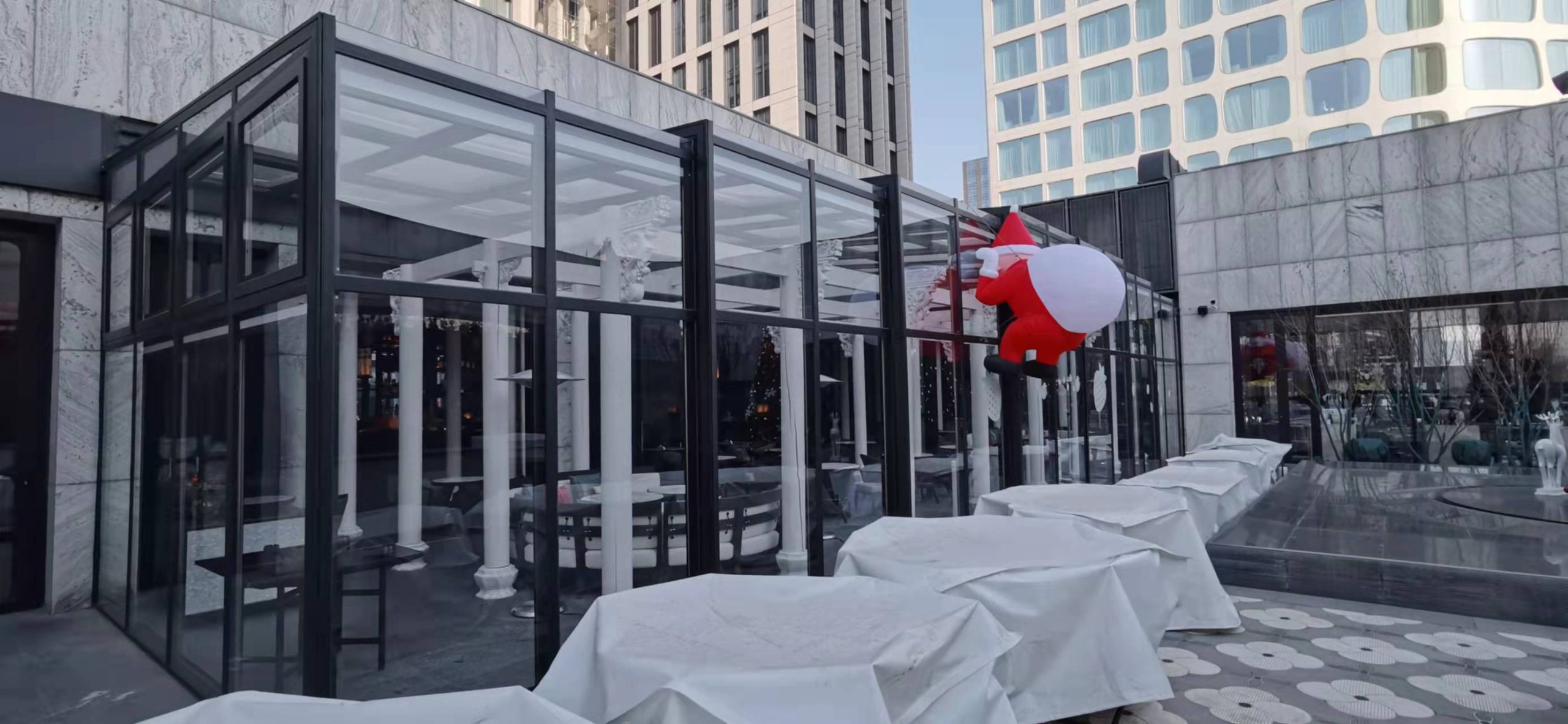
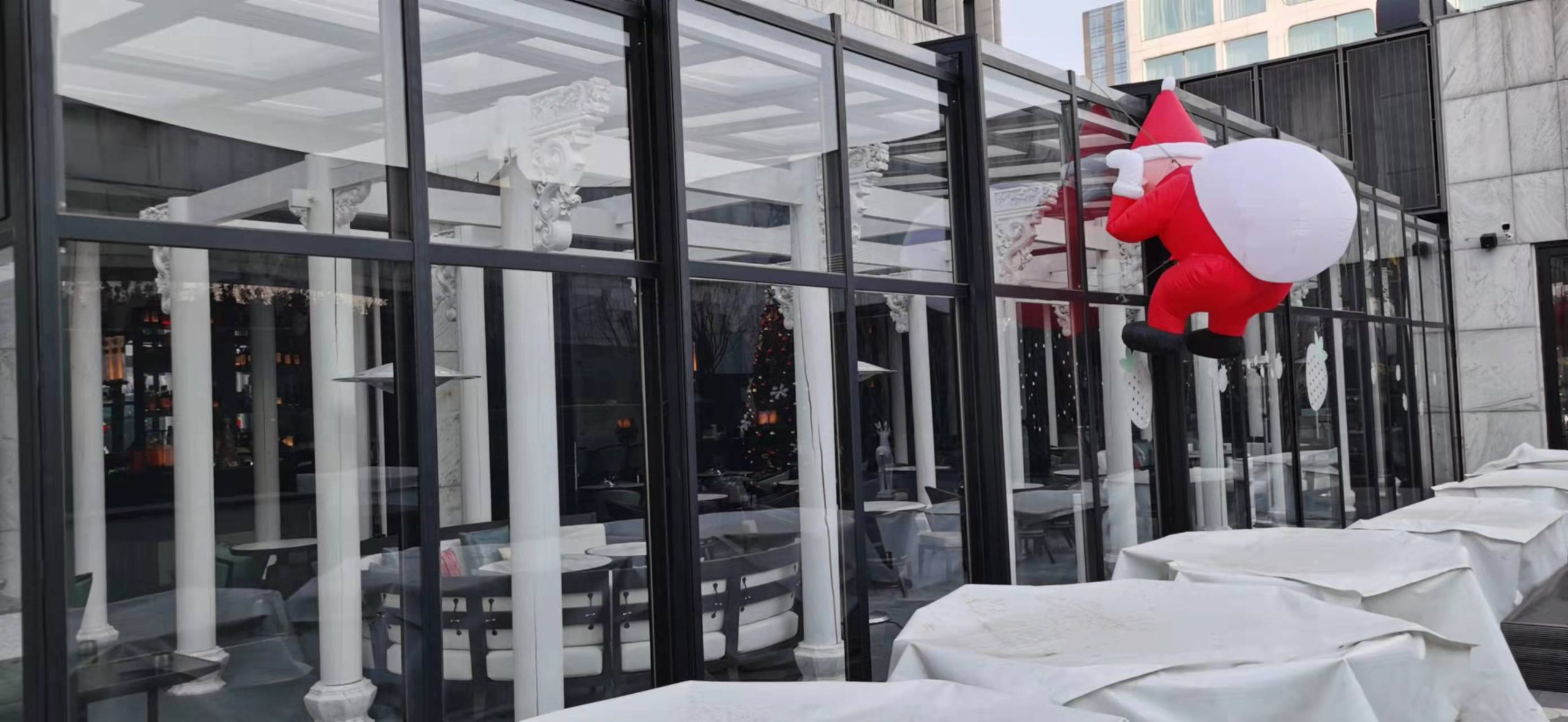
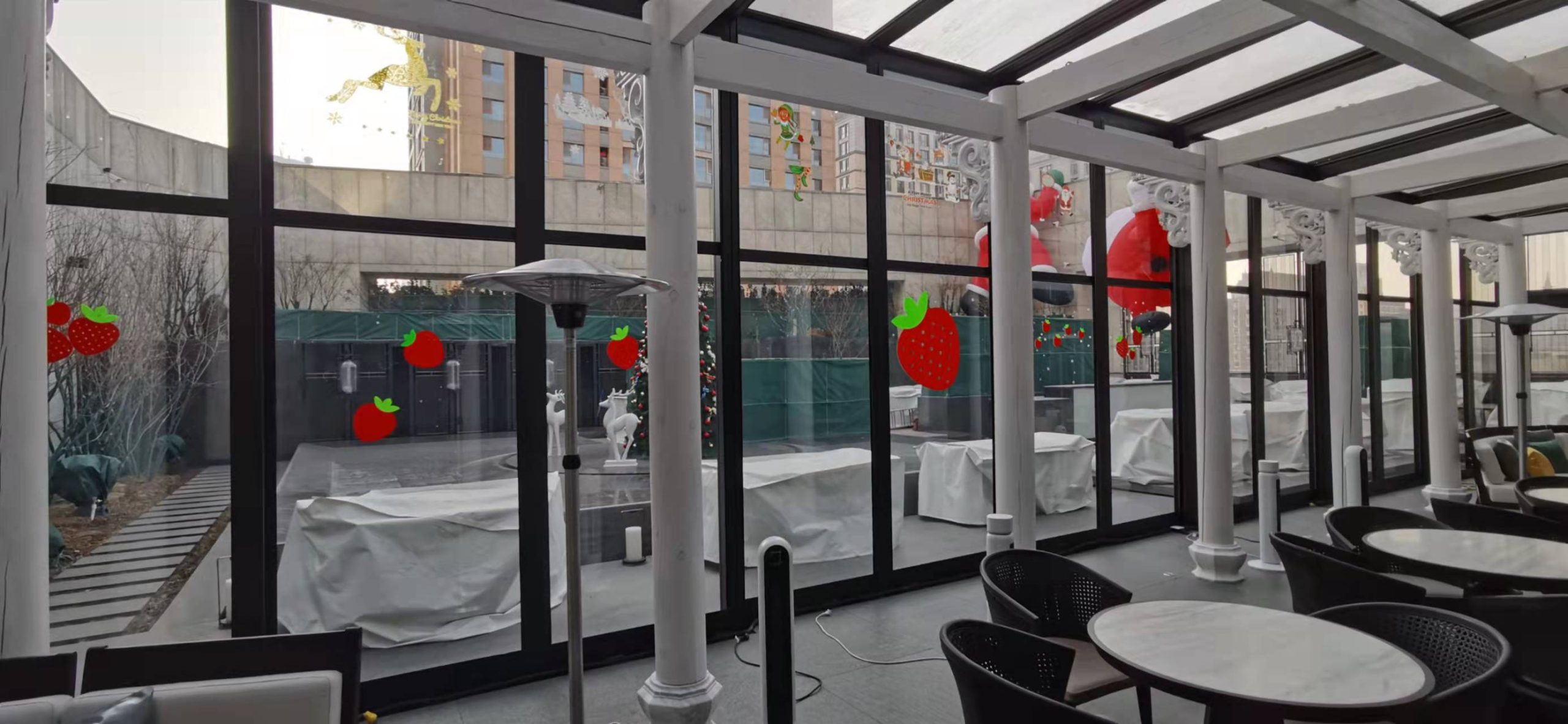
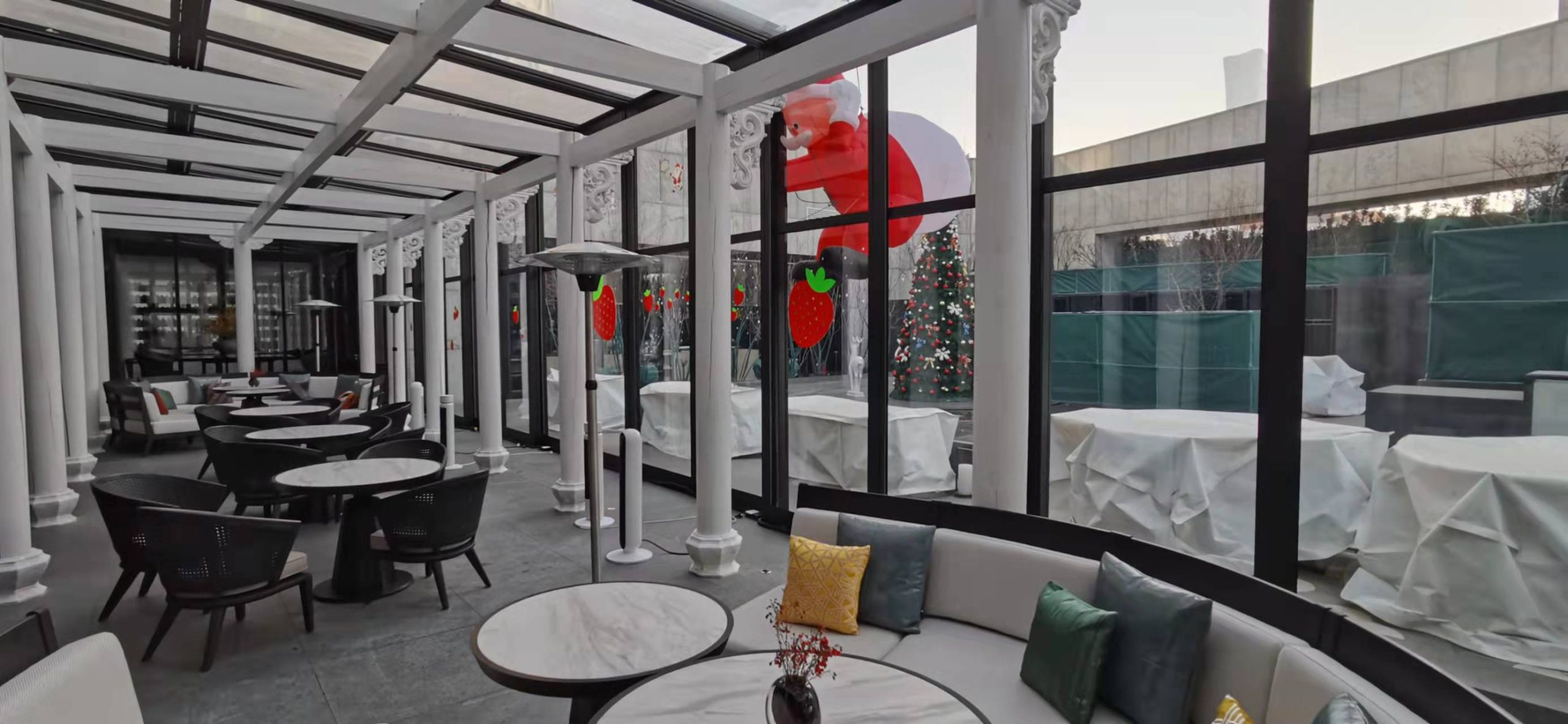
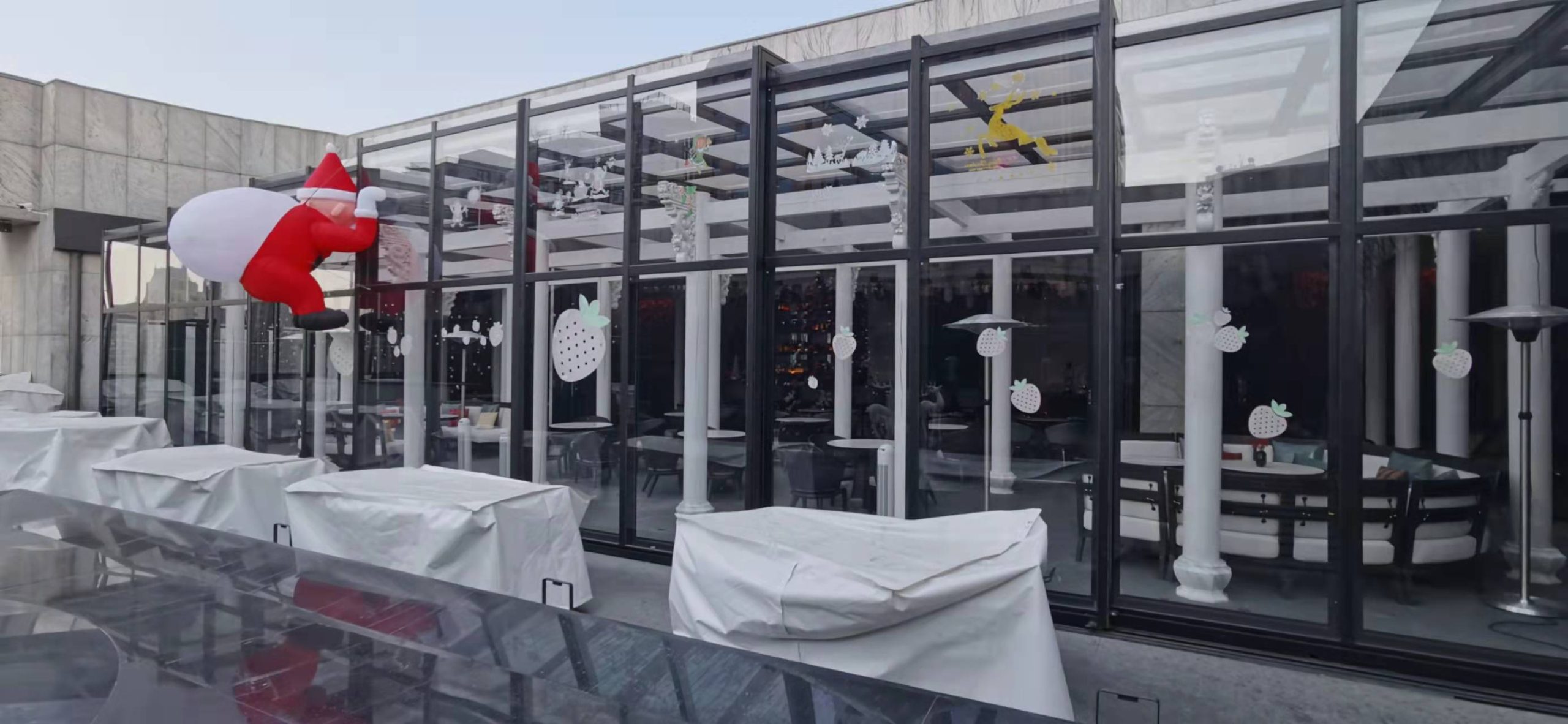
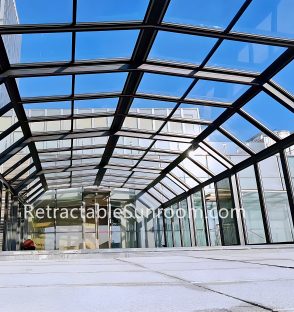
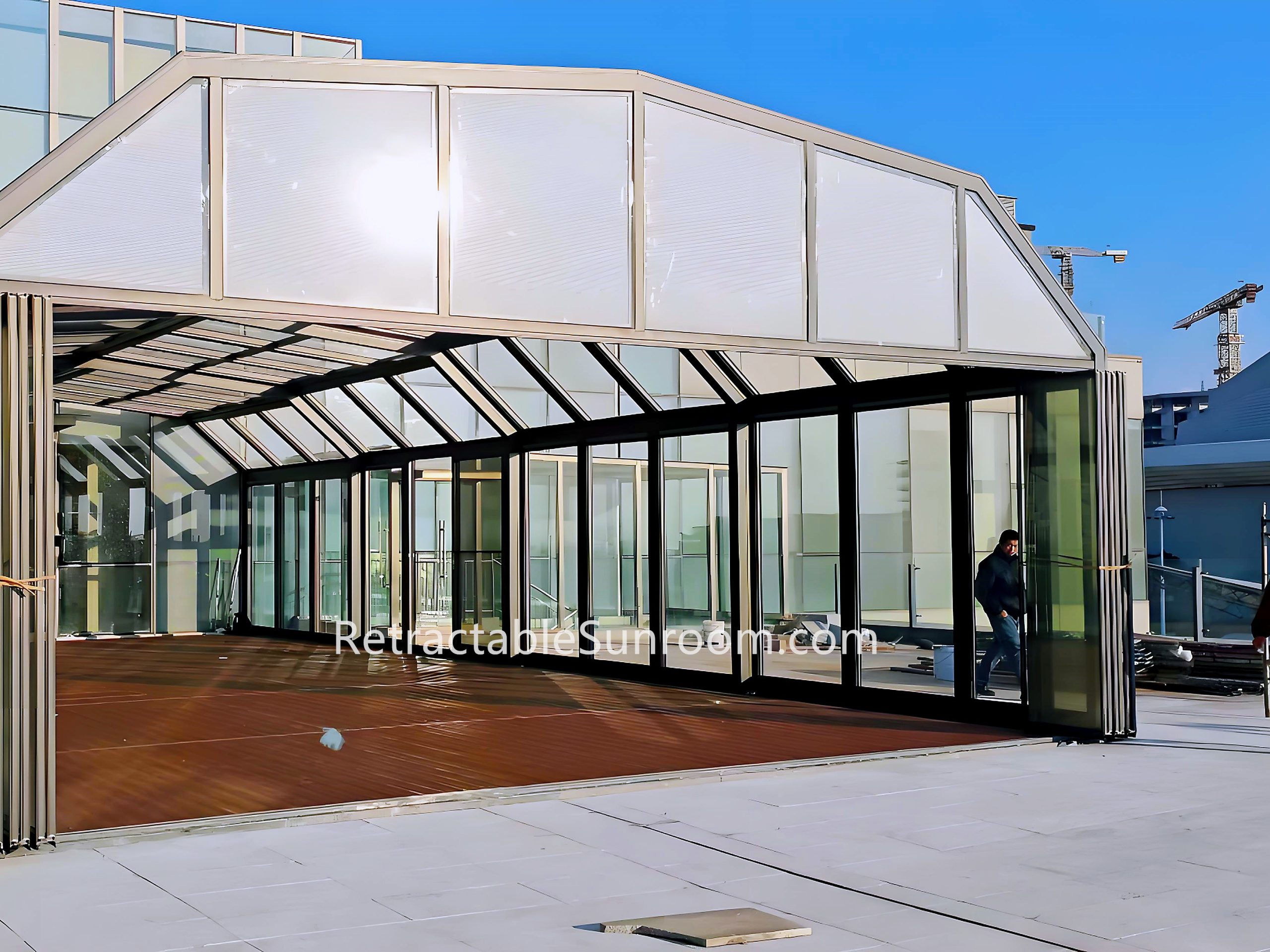
The installation of a retractable sunroom on the Conrad Hotel terrace is a strategic architectural solution that transforms an underutilized outdoor area into a high-performance, year-round venue.

The installation of a retractable sunroom on the Conrad Hotel terrace is a strategic architectural solution that transforms an underutilized outdoor area into a high-performance, year-round venue.

Key Solutions Provided

  • All-Weather Versatility: It eliminates “weather dependency.” By shielding guests from sudden rain, wind, or excessive heat, the terrace can remain operational 365 days a year, ensuring consistent revenue for the bar and bistro.

  • Dynamic Atmosphere Control: The retractable system allows the hotel to pivot between an “al fresco” airy experience during pleasant sunsets and a climate-controlled, intimate indoor setting during winter or mid-day heat.

  • Space Optimization: It effectively increases the hotel’s usable square footage without the constraints of a permanent solid structure, providing a premium “outdoor feel” with indoor comfort.

This architectural centerpiece serves as a definitive solution to the unpredictability of the elements. During golden hour, the structure glides open to invite the evening breeze, creating an authentic open-air lounge for cocktails and light bites. Conversely, in inclement weather, the seamless glass enclosure provides a climate-controlled sanctuary without sacrificing the panoramic views. By integrating this flexible design, the Conrad ensures that its signature blend of luxury and leisure remains uninterrupted, regardless of the season.”

FAQ

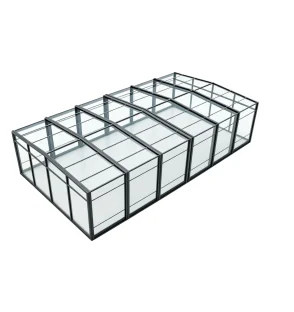
A retractable roof system is a movable roofing structure that can open or close depending on weather conditions. The roof panels slide along tracks and can be operated manually or by a motorized control system. Retractable roofs are commonly used for patios, restaurants, hotels, courtyards, and commercial buildings where flexible indoor‑outdoor spaces are required.

Most retractable roof systems use high‑strength aluminum alloy frames combined with transparent roofing materials such as polycarbonate panels or tempered glass. These materials provide excellent durability, weather resistance, and high light transmission while maintaining a lightweight structural design.

Yes. Modern retractable roof systems are designed with integrated drainage channels and sealing systems that prevent water leakage when the roof is closed. High‑quality systems ensure reliable rain protection while still allowing the roof to open for ventilation and natural light.

Yes. Many retractable roof systems are available with motorized operation. Motorized retractable roofs can be controlled by remote control, wall switches, or smart automation systems. Some systems can also integrate rain sensors and wind sensors to automatically close the roof when weather conditions change.

Retractable roof systems are widely used in both residential and commercial architecture. Typical applications include:

  • restaurant outdoor dining areas
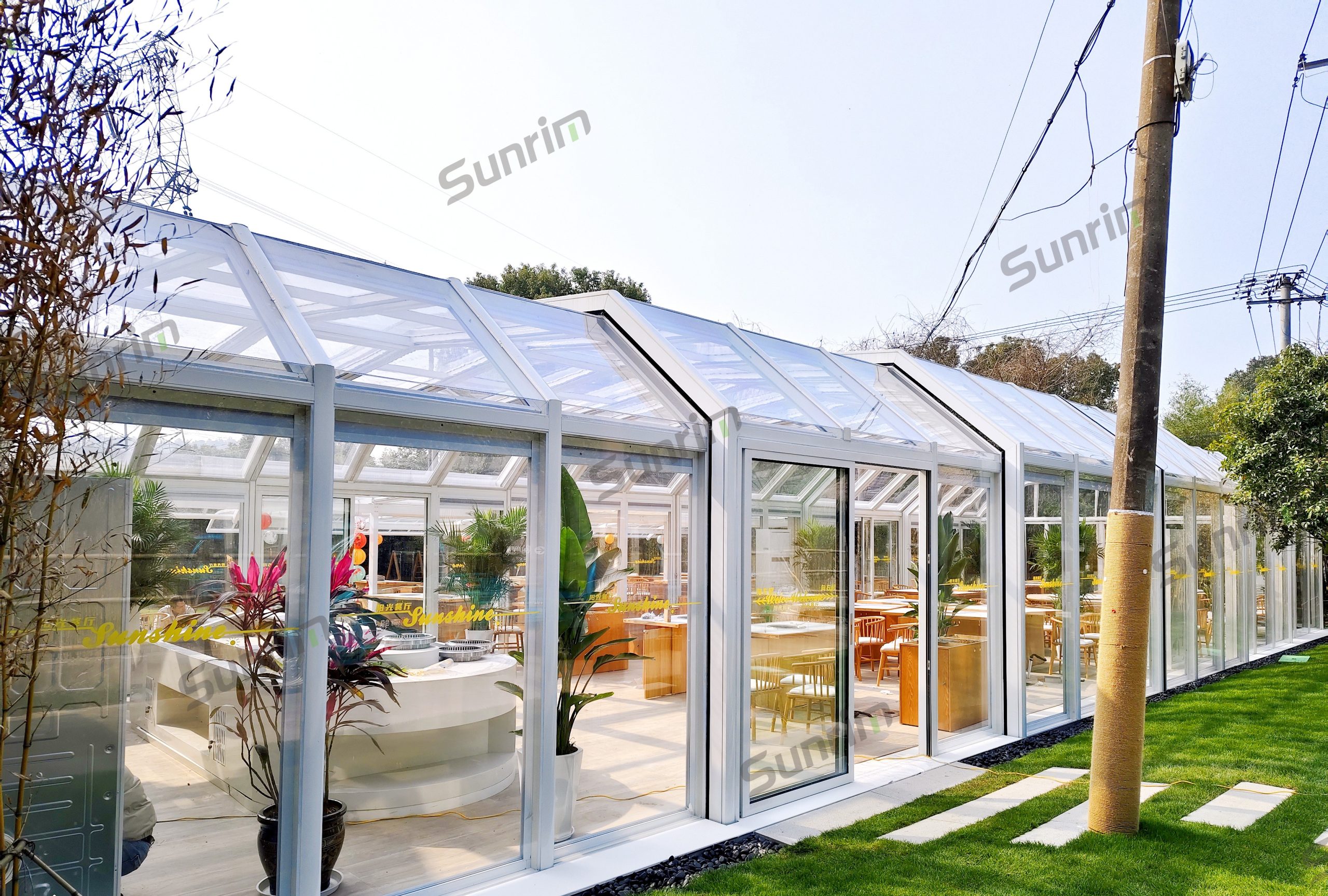
  • hotel terraces and courtyards
  • residential patios
  • swimming pool enclosures
  • commercial plazas and shopping malls

These systems help create flexible spaces that can adapt to changing weather conditions.

A retractable roof mainly focuses on a movable roofing structure that opens or closes above an outdoor space.
A retractable sunroom is a more complete enclosure system that includes sliding roof panels as well as movable glass walls, creating a fully enclosed indoor‑outdoor environment.

Both systems allow users to enjoy natural light while maintaining weather protection.

Yes. Retractable roof systems are often custom designed based on architectural requirements. Custom options may include roof span dimensions, structural design, frame color, roofing materials, and motorized control systems. For large commercial projects, structural calculations and engineering support are typically provided.

High‑quality retractable roof systems built with aluminum structures and durable roof panels can typically last 20 years or more with proper maintenance. The aluminum frame provides corrosion resistance, while modern roofing materials are designed to withstand long‑term outdoor exposure.

Please enable JavaScript in your browser to complete this form.