



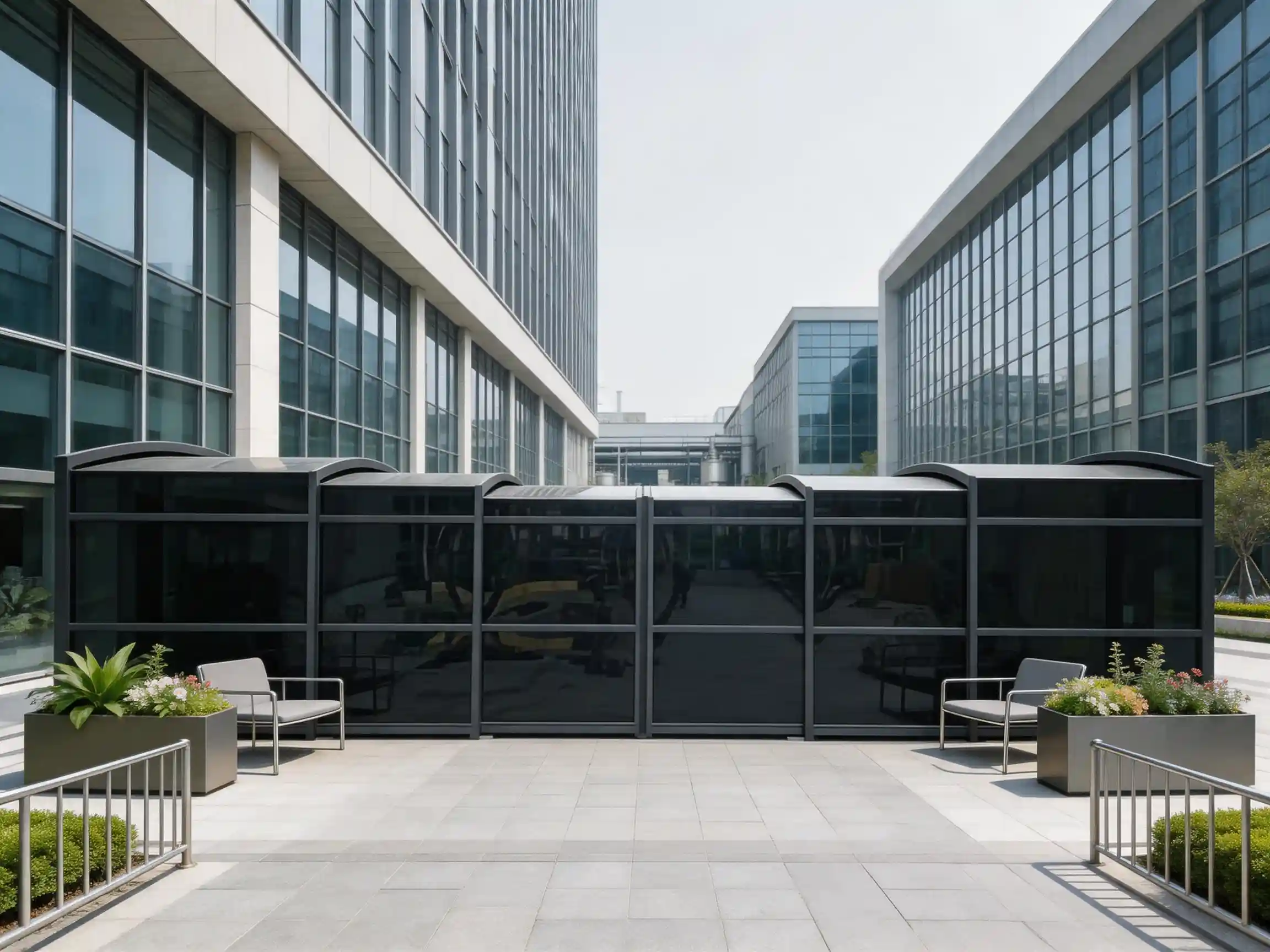
Flexible Walkway Systems for Commercial Outdoor Spaces
Flexible walkway systems are designed to make outdoor pedestrian routes safer, more comfortable and more usable in different weather conditions. For commercial buildings, hotels, restaurants, schools, hospitals, resorts and public outdoor areas, a well-designed walkway system can help protect people from rain, strong sunlight, wind and seasonal weather.
Unlike simple fixed canopies, flexible walkway systems can be planned around different site layouts, building entrances, outdoor dining areas, courtyards, terraces and connecting paths. Some systems are fixed, while others can be retractable or modular, depending on how the space needs to be used.
For commercial projects, walkway design is not only about covering a path. It is also about improving guest experience, guiding pedestrian flow, protecting outdoor furniture, connecting building areas and making the property more functional throughout the year.
If you are comparing different outdoor covering solutions, you may also read our guide to retractable walkway systems.
What Are Flexible Walkway Systems?
Flexible walkway systems are outdoor structures used to cover or protect pedestrian routes. They can be installed between buildings, along commercial storefronts, beside restaurants, across courtyards, near hotel entrances or around outdoor public spaces.
A flexible walkway system may include:
- Aluminum or steel frame structure
- Transparent or solid roof panels
- Fixed or retractable roof sections
- Side glass panels
- Sliding doors or open sides
- Drainage system
- Integrated lighting
- Custom frame colors
- Modular walkway sections
- Wind and rain protection features
The design can be adapted to the project. A hotel may need an elegant covered walkway between the lobby and garden area. A school may need weather protection between buildings. A restaurant may need a flexible path between indoor dining and outdoor seating.
The main goal is to keep movement comfortable and organized while maintaining the outdoor character of the space.
Why Commercial Spaces Need Covered Walkway Systems
Commercial outdoor spaces are often used by many people every day. Rain, strong sunlight, wind, leaves and seasonal weather can make these areas uncomfortable or difficult to use.
Covered walkway systems can help solve several common problems.
They can provide:
- Weather protection for pedestrians
- Better access between buildings
- A more comfortable guest experience
- Safer walking routes during rain
- Protection for entrances and waiting areas
- Improved use of courtyards and terraces
- Better connection between indoor and outdoor spaces
- A more professional commercial appearance
- Reduced exposure to sun and rain
- More organized pedestrian flow
For businesses, comfort and accessibility matter. A protected walkway can make visitors more willing to move between different areas of a property, especially in hotels, restaurants, shopping centers and office buildings.
Fixed vs Retractable Walkway Systems
Flexible walkway systems can be fixed, retractable or partially movable.
A fixed walkway cover provides permanent protection. It is useful for entrances, school paths, hospital access routes and areas that need continuous weather protection.
A retractable walkway system offers more flexibility. It can open when outdoor conditions are pleasant and close when rain, sun or wind protection is needed.
Fixed walkway systems are suitable for:
- Building entrances
- School walkways
- Hospital access paths
- Office building connections
- High-traffic pedestrian routes
- Permanent weather protection
Retractable walkway systems are suitable for:
- ساحات الفنادق
- Restaurant outdoor areas
- التراسات التجارية
- Event spaces
- Garden paths
- Outdoor dining connections
- Spaces that need both open-air and protected use
The right choice depends on how often the walkway is used, local weather, design goals and budget.
For spaces that need flexible weather control, you may compare walkway systems with retractable roof systems.
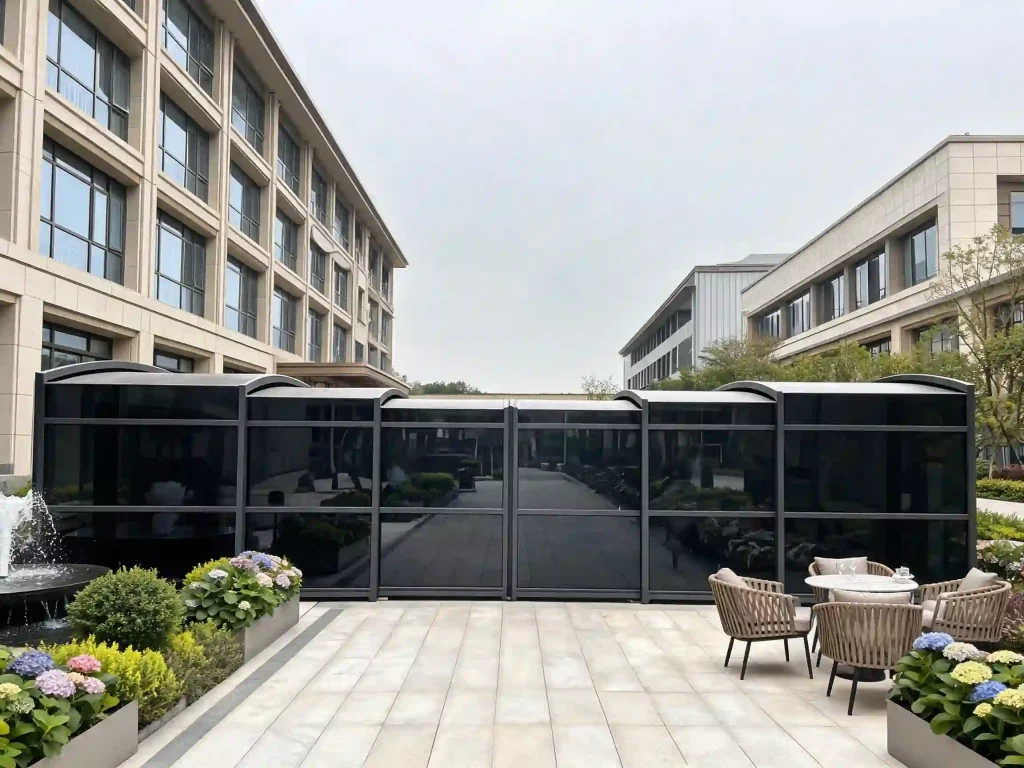
Commercial Walkways for Building Entrances
Building entrances are one of the most common places for commercial walkway systems. A covered entrance walkway helps protect visitors as they arrive, wait, enter or leave the building.
وهذا مفيد في:
- الفنادق
- Office buildings
- Hospitals
- Shopping centers
- Schools
- Apartment buildings
- Public facilities
- Restaurants and cafés
A building entrance walkway cover can protect people from rain and direct sunlight. It can also improve the appearance of the entrance and create a more welcoming arrival experience.
تشمل العوامل المهمة في التصميم ما يلي:
- Entrance width
- Walkway length
- Door clearance
- اتجاه التصريف
- لون الإطار
- Lighting
- Side protection
- التعرض للرياح
- Connection to the building
- Accessibility requirements
For commercial properties, the entrance is part of the first impression. A clean and modern walkway system can improve both function and appearance.
Hotel Walkway Covers for Guest Areas
Hotels and resorts often have multiple outdoor zones, such as lobby entrances, restaurants, gardens, courtyards, spa areas, pools and event spaces. Guests may need to move between these areas in different weather conditions.
A hotel walkway cover can make this movement more comfortable.
Hotel walkway systems can be used for:
- Lobby to restaurant paths
- Courtyard connections
- Garden walkways
- Spa access routes
- Resort villa paths
- Event area entrances
- Outdoor lounge connections
- Drop-off areas
For hotels, the structure should not look industrial or temporary. It should match the architecture, landscape and guest experience. Aluminum frames, transparent panels and integrated lighting can help create a more premium appearance.
In some hotel projects, walkway systems can also be combined with a courtyard glass roof or a retractable roof system to create a larger protected outdoor area.
Restaurant Walkways and Outdoor Dining Connections
Restaurants and cafés can also benefit from flexible walkway systems. Outdoor dining areas are often separated from the indoor dining room, kitchen access, entrance or garden seating area.
A covered or retractable walkway can help staff and guests move between areas more comfortably.
Restaurant walkway systems are useful for:
- Connecting indoor and outdoor dining areas
- Covering entrance paths
- Protecting waiting areas
- Linking garden seating zones
- Supporting outdoor service routes
- Improving rainy-day access
- Creating a more organized dining layout
For restaurant projects, the walkway should be attractive and easy to maintain. It should also work with lighting, furniture, signage and drainage.
If the restaurant also needs overhead protection for the seating area, a restaurant retractable roof system may be planned together with the walkway.
School and Campus Walkway Systems
Schools and campuses often have several buildings connected by outdoor paths. Students and staff need to move between classrooms, halls, cafeterias, libraries, dormitories and sports areas.
A covered pedestrian walkway can improve comfort and safety during rain, strong sun or snow.
School walkway systems can help:
- Protect students from weather
- Connect multiple buildings
- Improve campus accessibility
- Reduce slippery walking conditions
- Organize pedestrian routes
- Support daily movement
- Improve the campus environment
For schools, durability and safety are especially important. The structure should be stable, easy to maintain and suitable for frequent daily use.
Office Building and Commercial Walkway Applications
Office parks, business centers and commercial buildings often need protected pedestrian connections between different areas.
ومن بين التطبيقات الشائعة ما يلي:
- Office building entrances
- Parking area connections
- Courtyard paths
- Outdoor meeting areas
- Commercial plazas
- Rooftop terrace access
- Building-to-building connections
- Public seating areas
A commercial walkway system can improve movement across the property and help connect outdoor spaces with the main building.
For modern office projects, transparent panels and slim frames can keep the walkway bright and professional. Integrated lighting can also improve nighttime use.
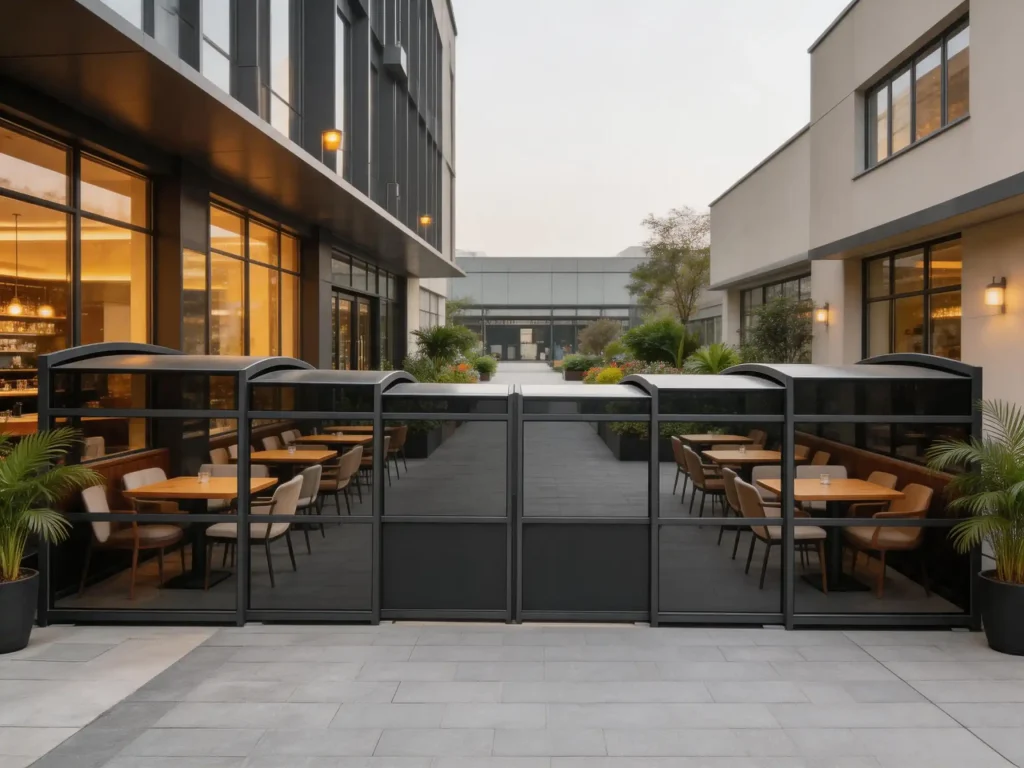
Materials Used in Flexible Walkway Systems
The materials used in a walkway system affect appearance, durability, maintenance and cost.
Common frame materials include:
- Aluminum
- Steel
- Stainless steel
Aluminum is popular for many commercial outdoor structures because it is lightweight, corrosion resistant and easy to customize in color. Steel may be used for larger spans or heavier structural requirements.
Common roof panel materials include:
- Polycarbonate
- Glass
- Aluminum panels
- Insulated panels
- Fabric membrane for some canopy designs
Transparent panels are suitable when natural light is important. Solid panels may be better for stronger shade and privacy. The best material depends on the project location, design style, weather conditions and budget.
Drainage and Weather Protection
Drainage is one of the most important parts of a commercial walkway system. A walkway cover should not only block rain. It should also guide water away properly.
Good drainage design can help prevent:
- Water dripping at entrances
- Puddles on walking paths
- Slippery surfaces
- Water damage near buildings
- Poor guest experience
- مشاكل الصيانة
Designers should consider roof slope, gutter position, downspouts and water discharge areas. For courtyards or spaces between buildings, drainage planning is especially important because water may be trapped if the system is poorly designed.
Wind protection may also be necessary in exposed areas. In some cases, partial side panels or glass walls can improve comfort.
Manual or Motorized Walkway Systems
Some retractable walkway systems can be manually operated, while others use motorized control.
Manual systems may be suitable for:
- Small walkway sections
- Simple residential or light commercial use
- Lower-budget projects
- Areas with occasional operation
Motorized systems may be suitable for:
- الفنادق
- Restaurants
- Larger commercial projects
- Frequent operation
- Heavy roof modules
- Premium outdoor spaces
For commercial use, motorized operation is often more convenient because staff can open or close the system quickly when weather changes.
Design Considerations Before Choosing a Walkway System
Before choosing a flexible walkway system, project owners should consider the actual site conditions and user needs.
Important questions include:
- What areas need to be connected?
- How many people use the walkway daily?
- Is the walkway mainly for guests, staff or the public?
- Does the project need fixed or retractable protection?
- Is the area exposed to strong wind or heavy rain?
- Is natural light important?
- Does the system need side panels?
- How should rainwater be drained?
- What frame color matches the building?
- Is lighting needed?
- هل توجد متطلبات بناء محلية؟
- What is the available installation space?
A walkway system should be planned as part of the overall outdoor environment, not as an isolated cover.
Cost Factors for Commercial Walkway Systems
The cost of a flexible walkway system depends on many project details.
تشمل العوامل الشائعة المؤثرة على التكلفة ما يلي:
- Walkway length
- Walkway width
- مادة الإطار
- Roof panel material
- تصميم ثابت أو قابل للسحب
- التشغيل اليدوي أو الآلي
- Side panel options
- تصميم شبكات الصرف
- تكامل أنظمة الإضاءة
- متطلبات الأحمال الناتجة عن الرياح والثلوج
- لون مخصص
- مدى تعقيد التركيب
- الشحن
- تجهيز الموقع
- موقع المشروع
A simple fixed walkway cover is usually more affordable than a large motorized retractable walkway system. However, commercial projects should consider long-term usability, appearance and maintenance, not only the initial cost.
Maintenance Tips for Flexible Walkway Systems
Regular maintenance helps keep walkway systems safe and attractive.
Basic maintenance may include:
- Cleaning roof panels
- Removing leaves and debris
- Checking gutters and drainage
- Inspecting frame connections
- Cleaning sliding tracks if retractable
- Testing motorized components
- Checking seals and side panels
- Inspecting lighting fixtures
- Looking for corrosion or loose parts
For hotels, schools and commercial buildings, scheduled inspection is recommended because the system may be used frequently by many people.
Why Choose Sunrim for Flexible Walkway Systems?
Sunrim designs and manufactures retractable walkway systems, retractable roof systems, glass patio enclosures, retractable sunrooms and custom outdoor enclosure solutions for residential and commercial projects.
For commercial walkway projects, Sunrim can support:
- Custom walkway system design
- Fixed or retractable structure options
- Aluminum frame systems
- Transparent or solid roof panels
- Side glass panel options
- التشغيل اليدوي أو الآلي
- Hotel, restaurant and commercial applications
- Courtyard and terrace integration
- Export project support
- إرشادات التثبيت
- Weather-related design suggestions
Whether your project needs a hotel walkway cover, restaurant outdoor connection, school walkway canopy or commercial pedestrian route, Sunrim can help recommend a suitable solution based on your site conditions.
الخلاصة
Flexible walkway systems can make commercial outdoor spaces more comfortable, organized and usable in different weather conditions. They can protect pedestrian routes, connect buildings, improve guest experience and support outdoor business operations.
The right system depends on the project type, walkway size, local climate, design style, operation method and long-term use needs. For some spaces, a fixed covered walkway is enough. For others, a retractable walkway system may provide better flexibility.
By choosing a suitable walkway system, hotels, restaurants, schools, office buildings and commercial properties can create safer and more functional outdoor connections.
Start Your Commercial Walkway Project
Planning a flexible walkway system for a hotel, restaurant, school, office building or commercial outdoor space?
اتصل بشركة Sunrim and send your project location, site photos, walkway dimensions and use requirements. Our team can help recommend a suitable walkway system for your project.
FAQ About Flexible Walkway Systems
What are flexible walkway systems?
Flexible walkway systems are outdoor structures designed to protect pedestrian routes from rain, sun, wind and seasonal weather. They can be fixed, retractable or modular depending on the project.
Where can commercial walkway systems be used?
Commercial walkway systems can be used at hotels, restaurants, schools, hospitals, office buildings, shopping centers, courtyards, terraces and public outdoor areas.
What is the difference between a fixed and retractable walkway system?
A fixed walkway system provides permanent weather protection, while a retractable walkway system can open or close depending on weather and space requirements.
Are retractable walkway systems suitable for hotels?
Yes. Hotels can use retractable walkway systems to connect lobbies, restaurants, courtyards, gardens, spa areas and outdoor guest spaces.
Can walkway systems be used for restaurants?
Yes. Restaurants can use covered or retractable walkway systems to connect indoor dining areas, outdoor seating areas, entrances and service routes.
What materials are used for walkway systems?
Common materials include aluminum or steel frames with polycarbonate, glass, aluminum or insulated roof panels. The best choice depends on project size, climate and design goals.
Do walkway systems need drainage?
Yes. Drainage is important for any covered walkway system. Roof slope, gutters and water discharge routes should be planned to avoid puddles and water dripping at entrances.
Can a walkway system have side panels?
Yes. Some walkway systems can include glass side panels, sliding doors or partial side protection to improve wind and rain protection.
Can flexible walkway systems be motorized?
Yes. Some retractable walkway systems can be motorized, especially for hotels, restaurants and large commercial outdoor spaces.
How much does a commercial walkway system cost?
The cost depends on walkway length, width, materials, fixed or retractable design, manual or motorized operation, side panels, drainage, installation and project location.


